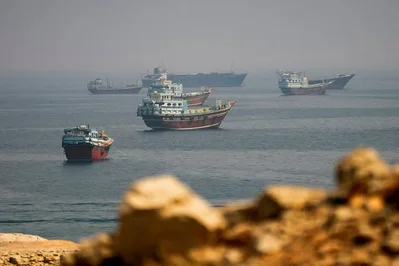

Asia Struggles to Find Fuel Oil as Middle East Exports Fall
Middle East fuel oil exports to Asia have dropped significantly following a 90 percent decline in tanker transits. Traders are now seeking alternative supplies.

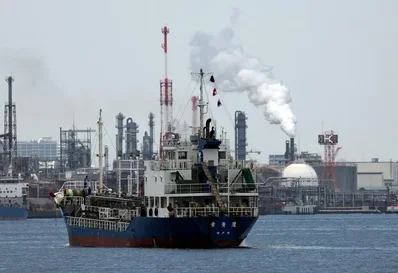
Fuel oil traders across Asia are facing significant hurdles in securing alternative supplies as the ongoing conflict involving Iran severely restricts shipments through the Strait of Hormuz. This strategic maritime chokepoint, essential for Middle Eastern exports, has seen tanker transits drop by approximately 90% over the past week, forcing market participants to look toward the West for replacement cargoes. The sudden shortage of Middle Eastern volumes is expected to impact the availability of bunker fuel used for powering commercial vessels. Prices at major refueling hubs, such as Singapore, are already on an upward trajectory, which will likely increase operational costs for shipping companies and lead to higher prices for transported goods globally. > "When such a large share of the global high-sulphur complex depends on a single chokepoint, even partial transit disruption can tighten balances quickly and amplify bunker volatility," said Sumit Ritolia, lead analyst for refining and supply modelling at Kpler. Market data indicates that fuel oil exports transiting the Strait of Hormuz typically average 1.2 million metric tons per month bound for Asia, with the majority destined for Southeast Asian markets. The current disruption has caused a sharp rally in fuel oil prices, particularly for high-sulphur fuel oil (HSFO). In Singapore, HSFO bunker prices have surged by more than 40% since the start of the conflict, while low-sulphur fuel oil (LSFO) prices have risen by over 30%. Traders are exploring potential supply sources in the United States and Mexico, though current volumes from these regions are considered insufficient to meet the deficit. While Venezuela could theoretically provide additional supply, those cargoes have not yet moved toward Asian markets this year. > "Everyone is struggling to find oil for the second half of March. Tankers are too expensive and arbitrage to Singapore is closed," a trader based in Singapore said. The geopolitical landscape further complicates the search for fuel. While Russia remains a major producer, its fuel remains under international sanctions, making it a sensitive choice for many buyers. Meanwhile, China has seen its usual shipments of Iranian fuel halt due to the conflict. Analysts suggest that Chinese asphalt producers may increase their intake of Russian straight-run fuel oil, which would further limit the availability of blending components in the Singapore Strait. Regional Asian refiners are also expected to contribute less to the market as they scale back production. This reduction comes amid a broader shortage of crude oil, including benchmarks like Brent Crude Oil, resulting from the regional instability. In the low-sulphur market, the price impact has been somewhat mitigated by continued supply from Brazil and Nigeria. However, significant volumes from the al-Zour refinery in Kuwait are currently trapped within the Gulf due to the transit restrictions. > "Obviously there is also Russia but these barrels remain sensitive for some buyers," another trader said. While Singapore currently maintains substantial onshore and offshore inventories, traders warn that these stockpiles are set to decline rapidly. The cost of future replenishment is expected to remain high as the market grapples with widespread tightness and elevated freight rates.