The Cost of Discounting
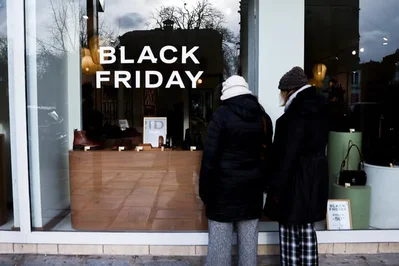
In Italy, fashion label Pinko is sitting out Black Friday for the first time, with executives warning that markdowns foster an unsustainable sales cycle. Chairman Pietro Negra said avoiding the promotional event will cost the company €2 million ($2.19 million) in revenue, though the hit to profitability is proportionally smaller.
By not taking part in Black Friday, we're trying to cut off one small head of a dragon that has another thousand. — Pietro Negra
Retailers worldwide face a challenging economic backdrop marked by elevated inflation and cautious consumers requiring sizeable incentives to buy. While retail giants absorb heavy traffic by slashing prices, smaller brands risk eroding their profit margins and training customers to wait for permanent sales.
Alternative Approaches to Retail
Other brands are shutting operations entirely to promote sustainability and counter impulse buying. Canada and United States locations for beauty brand The Ordinary close their doors for the day to run blood donation drives, encouraging shoppers to slow down. Meanwhile, outdoor retailers in the United Kingdom and North America are opting out to give staff time off or emphasize domestic manufacturing.
UpCircle, a British beauty brand utilizing food industry byproducts, embraces a contrarian strategy by running discounts while criticizing overconsumption on social media. Founder Anna Brightman said the anti-consumerist messaging attracts attention in a crowded market, helping generate 20% of the firm's annual online sales during the three-week shopping window.
Retailers will monitor consumer spending patterns and holiday sales figures when fourth-quarter results are reported on January 15.