The Black Friday Vulnerability Gap
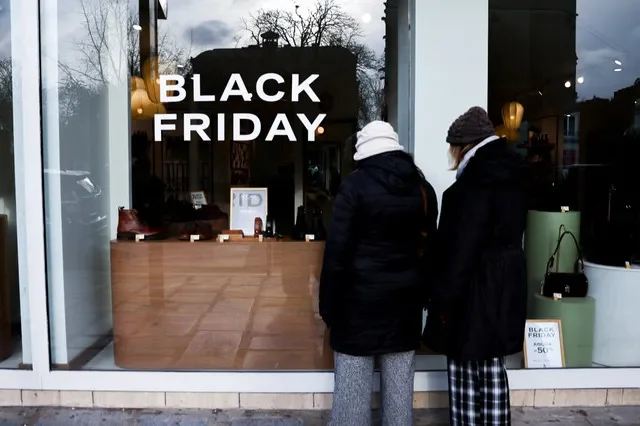
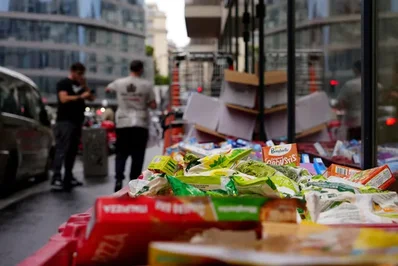
Ransomware claims across retail, leisure, and hospitality businesses peak during November compared to monthly averages, according to claims data from insurer CFC. Retailers traditionally spend months hardening websites, stock levels, and logistics networks to handle the post-Thanksgiving sales surge.
However, firms rarely purchase additional coverage specifically for the holiday weekend, opting instead to rely entirely on existing technical resilience.
Black Friday should be treated as a resilience exercise as much as a revenue opportunity, said Lindsey Maher, head of global cyber development at CFC.
Escalating Threat Dynamics
Artificial intelligence is driving both faster attacks and a sixfold increase in exposed vulnerabilities compared to previous years, according to data from Beazley Security. Complex supply chains and high volumes of stored credit card records make retail operators prime targets for maximum operational disruption.
Past holiday breaches demonstrate the financial scale of system failures during peak shopping periods. TARGET CORP incurred net cumulative expenses of $202 million after a 2013 holiday breach compromised at least 40 million credit card records.
Insurance and Market Readiness
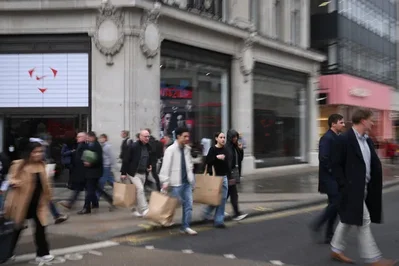
While retail spending in the UK is projected to reach its highest level since 2022—with shoppers expected to spend £235 ($307) each—coverage disparities persist across sectors.
Retailers dont generally buy additional cyber insurance for a weekend and focus instead on testing and strengthening resilience, said David Molony, Europe, Middle East and Africa head of cyber and financial sponsors at AON PLC-CLASS A.
The United Kingdom will release updated retail sales and cyber resilience figures on December 15.