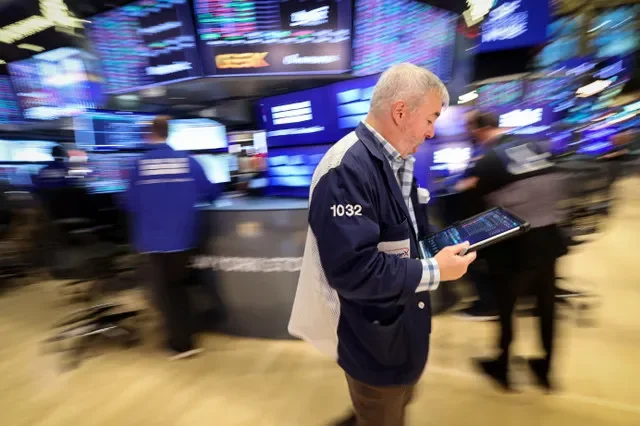
Investors capitalized on lower valuations despite broader macro headwinds. "The broad selloffs tend to kind of throw the baby out with the bathwater," said Oliver Pursche, senior vice president and adviser for Wealthspire Advisors. "Investors are taking advantage of some of those discrepancies."
AI Sector Pressures and Stock Movements
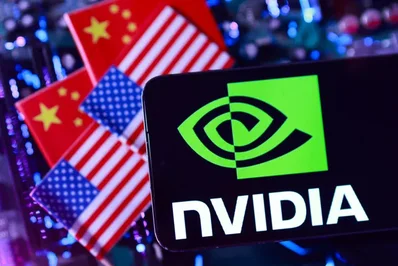
NVIDIA CORP shares fell 3.9% and AMAZON.COM INC dropped 3.1% amid ongoing sentiment shifts across technology equities. The losses came as traders weighed political developments alongside supply and regulatory pressures.
On the bright side, HP INC gained 11.5% after reporting quarterly revenue and profit that topped analyst expectations. Value stocks also outperformed growth peers during the choppy session.
Macro Headwinds and Tariff Protests
The broader market downturn coincided with newly proposed tariffs targeting 14 trading partners to combat excess industrial capacity. At the same time, accelerating inflation and steady oil prices driven by conflict involving Iran fueled expectations of a tighter monetary policy stance.
"Tariffs are somewhat responsible for inflation ... so that's actually being counterproductive to what the Fed is trying to do," said Peter Cardillo, chief market economist at Spartan Capital Securities.
U.S. markets will be closed on Thursday for Thanksgiving and will close early on Friday.