Singapore's Economy Grows 4.8% in 2025, Government Warns of Slowdown in 2026
Singapore's economy grew by 4.8% in 2025, surpassing forecasts due to lower U.S. tariffs and AI-driven semiconductor demand. However, the government predicts a slowdown in 2026, with growth expected between 1.0% and 3.0% amid tariff pressures.
Insights:
Singapore's economy expanded by 4.8% in 2025, exceeding earlier projections, as disclosed by the Trade Ministry's recent data release. This robust growth was largely driven by lower-than-expected U.S. tariffs and a surge in AI-related demand for semiconductors. Prime Minister Lawrence Wong lawrence wonghighlighted these factors in a New Year message, attributing the unexpected economic performance to the delayed and reduced tariff imposition by the United States  US. However, the outlook for 2026 is less optimistic, with the government forecasting a significant deceleration in growth to between 1.0% and 3.0%. This caution stems from anticipated tariff pressures on key export sectors, including semiconductors, consumer electronics, and pharmaceuticals, which collectively account for approximately 40% of Singapore's
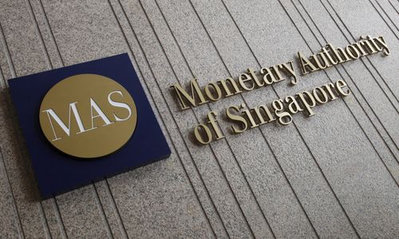
  SGexports to the U.S. The semiconductor industry, represented by assets such as the SPDR S&P Semiconductor ETF , has been a significant growth driver, benefiting from the AI boom. Similarly, the Technology Select Sector SPDR ETF and the Health Care Select Sector SPDR ETF are reflective of the sectors facing future challenges due to tariff pressures. Currently, Singapore's exports to the U.S. are subject to a 10% general tariff, with a specific 100% tariff imposed on branded pharmaceuticals, underscoring the vulnerability of these sectors. The Straits Times Index reflected the mixed sentiment, showing resilience amid these developments. The Monetary Authority of Singapore, which kept its policy unchanged in October, is due for another review later this month. The timing of the GDP data release is crucial as it provides a baseline for assessing economic health and informs monetary policy decisions. Singapore's relative advantage, with a lower general tariff rate compared to its Southeast Asian neighbors, offers some buffer, but the structural challenges remain significant. As Singapore navigates these economic headwinds, the focus will be on how it adjusts to the evolving trade landscape, particularly with the U.S., while maintaining its competitive edge in key sectors.
US. However, the outlook for 2026 is less optimistic, with the government forecasting a significant deceleration in growth to between 1.0% and 3.0%. This caution stems from anticipated tariff pressures on key export sectors, including semiconductors, consumer electronics, and pharmaceuticals, which collectively account for approximately 40% of Singapore's SGexports to the U.S. The semiconductor industry, represented by assets such as the SPDR S&P Semiconductor ETF , has been a significant growth driver, benefiting from the AI boom. Similarly, the Technology Select Sector SPDR ETF and the Health Care Select Sector SPDR ETF are reflective of the sectors facing future challenges due to tariff pressures. Currently, Singapore's exports to the U.S. are subject to a 10% general tariff, with a specific 100% tariff imposed on branded pharmaceuticals, underscoring the vulnerability of these sectors. The Straits Times Index reflected the mixed sentiment, showing resilience amid these developments. The Monetary Authority of Singapore, which kept its policy unchanged in October, is due for another review later this month. The timing of the GDP data release is crucial as it provides a baseline for assessing economic health and informs monetary policy decisions. Singapore's relative advantage, with a lower general tariff rate compared to its Southeast Asian neighbors, offers some buffer, but the structural challenges remain significant. As Singapore navigates these economic headwinds, the focus will be on how it adjusts to the evolving trade landscape, particularly with the U.S., while maintaining its competitive edge in key sectors.