Shipping Firms Cautious After Strait of Hormuz Reopens
Vessels halted transit attempts through the Strait of Hormuz on Friday despite Iran's reopening. Shipping firms seek safety assurances regarding sea mines.

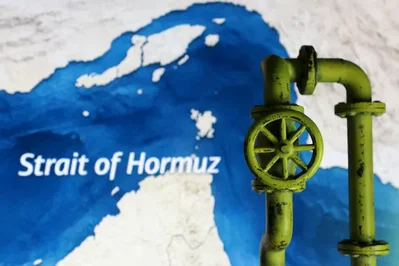
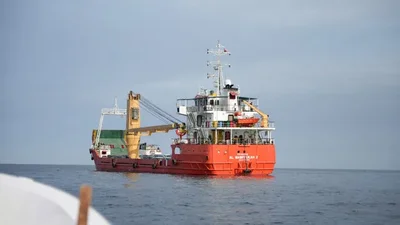
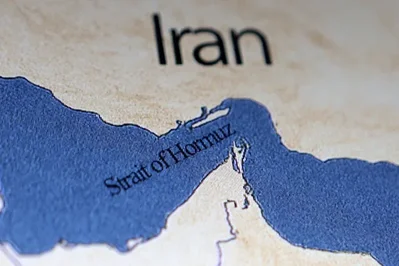
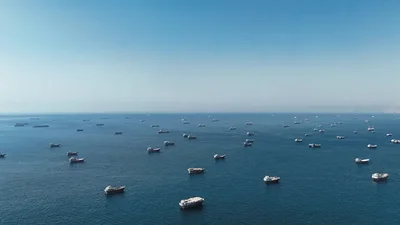
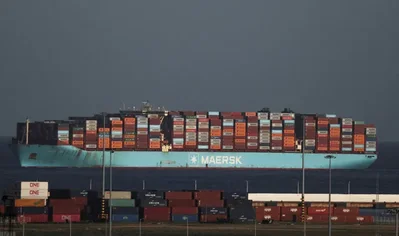
Shipping activity near the Strait of Hormuz saw a brief surge followed by a cautious retreat on Friday as maritime operators evaluated an announcement from Iran regarding the reopening of the strategic waterway. The news, which coincided with a 10-day ceasefire in Lebanon, led to a decline in global energy prices, including Brent Crude Oil and West Texas Oil, while providing a temporary lift to international equity markets. Tracking data from MarineTraffic indicated that approximately 20 vessels attempted to sail toward the strait on Friday evening, marking the first significant movement since the passage was effectively closed following military strikes in late February. Among the group were three container ships operated by the France-based shipping giant CMA CGM SA. However, the majority of these vessels halted their progress or turned back shortly after starting their transit, highlighting the persistent uncertainty surrounding the safety of the route. Iranian officials stated that the waterway is now accessible to all commercial traffic, including vessels from the United States, provided that transit plans are coordinated with the Islamic Revolutionary Guard Corps. Under the current terms, merchant ships are restricted to specific lanes designated as safe by Tehran, while military vessels remain prohibited from entering the area. > We are currently verifying the recent announcement related to the reopening of the Strait of Hormuz, in terms of its compliance with freedom of navigation for all merchant vessels and secure passage. The International Maritime Organization's secretary-general, Arsenio Dominguez, emphasized the need for verification regarding the security of the passage. Similar concerns were echoed in Norway, where the national shipowners' association noted that critical issues, such as the potential presence of sea mines and the practical implementation of Iranian conditions, remain unresolved. > If this represents a step towards an opening, it is a welcome development. Knut Arild Hareide, CEO of the Norwegian Shipowners Association, expressed cautious optimism but joined other industry bodies like BIMCO in warning members about the risks of a premature return. A separate advisory from the U.S. Navy also highlighted the ongoing threat posed by mines in the region. In Germany, the shipping firm HAPAG-LLOYD AG confirmed it is working toward resuming transits as soon as possible, though it acknowledged that several operational questions remain unanswered. Meanwhile, Denmark-based AP MOLLER-MAERSK A/S-A stated it is closely monitoring the situation. Other major players, such as the tanker group FRONTLINE PLC, have declined to comment on their immediate plans for the region. Analysts suggest that even if tolls are not required, the specific routes imposed by Tehran near Larak Island present significant navigational and insurance challenges. The industry remains on high alert as it seeks further clarification on how freedom of navigation will be maintained in one of the world's most vital maritime chokepoints.