
Russia Resumes Grain Exports to Iran via Caspian Sea
Russian firms resumed grain exports to Iran via the Caspian Sea after a short pause. Black Sea routes stay shut as ships load 22,600 tons at Astrakhan port.

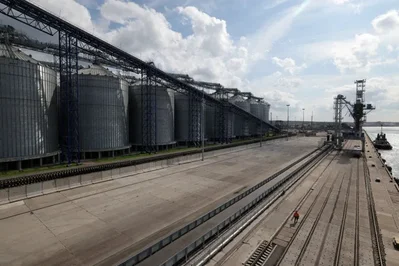
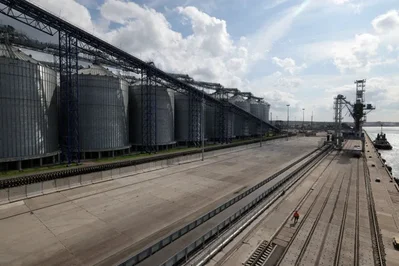
Exporters in Russia have resumed the transport of grain to Iran via Caspian Sea routes, according to industry sources. This movement follows a temporary suspension triggered by regional instability involving the United States and Israel. While shipments from Black Sea terminals remain halted, the Caspian Sea has emerged as a vital corridor for trade, particularly as traditional maritime paths like the Strait of Hormuz face closures. Current tracking data from LSEG indicates significant activity at the port of Astrakhan, where five vessels are loading approximately 22,600 metric tons of grain. Another nine ships, carrying a combined 28,000 tons, are currently stationed off the Iranian coast awaiting offloading. Analysts from Rusagrotrans report that Iran has imported nearly 6 million tons of Russian grain between July and February, representing a twofold increase compared to the previous year. Within this trade volume, Wheat remains a primary commodity. Russian exporters have already delivered 1.9 million tons of the grain, nearing the seasonal target of 2.2 million tons. To support these flows, Russia is actively expanding its logistics network in the Caspian region, which also serves markets in Iraq and Afghanistan. Alexander Sharov of the RusIranExpo trade consultancy highlighted the logistical advantages of the Volga River region for these exports. > The shipments of wheat to Iran will be moved from Novorossiysk on the Black Sea to the Caspian Sea because the wheat is grown in the Volga region, and all logistics indicate that it should be transported along the Volga River and then via the Caspian. While Russia ramps up its capacity, other regional players have faced challenges. Kazakhstan recently suspended its barley shipments to Iran. Furthermore, environmental factors are impacting the efficiency of the route. Evgeny Karabanov of the Kazakhstan Grain Union noted that falling water levels in the Caspian Sea are restricting vessel loads. > Additionally, the Caspian is currently experiencing a decrease in water levels, and at the Aktau sea port, 6,000-ton ships are being loaded with 5,200-5,300 tons. Russia currently operates three grain-exporting hubs on the Caspian Sea located in Astrakhan and Makhachkala. These facilities have a combined annual capacity of at least 3 million tons, with plans to add a new 1.5-million-ton terminal in Makhachkala by 2028 to further solidify the trade link.