
Russia to Maintain Energy Exports with Flexible Payments
Russia will continue energy exports at market prices using flexible payment methods. Pavel Sorokin says the move aims to support global energy market stability.

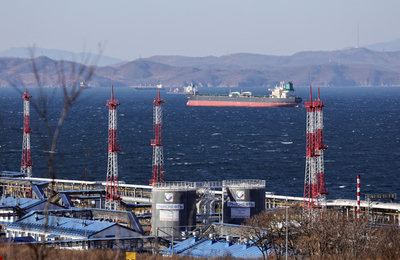
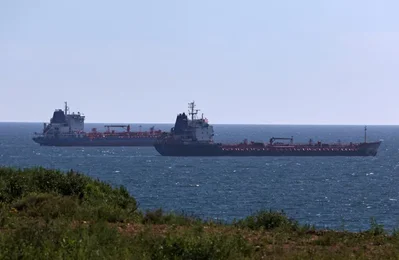
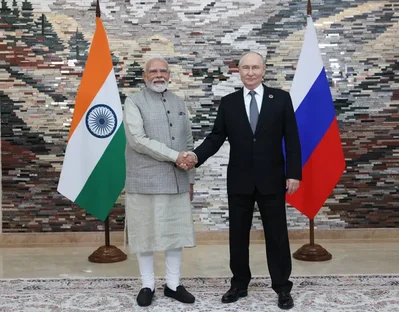
Russia has announced its intention to continue supplying energy to global markets at prevailing market prices, disregarding the constraints of Western sanctions. Deputy Energy Minister Pavel Sorokin stated on Thursday that the nation would offer mutually acceptable payment practices to its trade partners to ensure the flow of resources remains uninterrupted. As a major player in the global energy sector, Russia's extensive infrastructure and reserves are central to international supply chains, much like the operational focus of Natural Gas Services Group, Inc.. The demand for Russian exports has seen a notable increase recently, particularly as the conflict in Iran has sidelined a significant portion of global oil production in the Gulf region. This shift has forced many nations to seek alternative energy sources to maintain their domestic requirements and economic stability. Sorokin emphasized that Russia is actively collaborating with its partners in India on a basis that benefits both nations. He expressed a firm stance against the imposition of international trade restrictions. > We believe that basically there should not be any sanction limits and every country should have a right to choose who it works with. When questioned about the specific currencies used for these transactions, such as the yuan or the rouble, Sorokin noted that the government is working through standard, mutually acceptable practices with its partners. He further indicated that Russia remains prepared to engage with any purchaser interested in liquefied natural gas. In a move to address volatility in the global energy markets caused by the regional conflict, the United States issued a 30-day waiver last week. This temporary measure allows countries to purchase sanctioned Russian oil and petroleum products that are currently stranded at sea, aiming to provide a buffer for global supply chains and stabilize prices.