Russia to lower oil price cut-off for budget reserves
Russia will lower the oil price cut-off to divert more revenue into its budget reserves. The move aims to prevent fund depletion and stabilize the rouble.

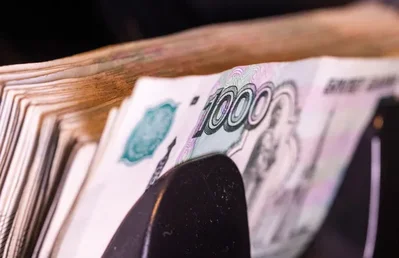
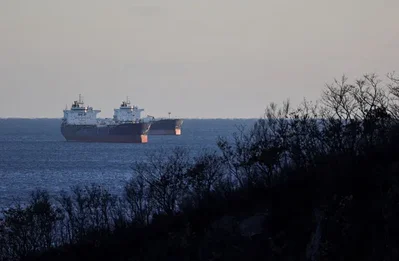
Russia[Country:{\"assets\":{\"country\":\"RU\"}}] is preparing to redirect a larger portion of its oil revenues into the national budget reserve fund. Finance Minister Anton Siluanov announced the plan on Wednesday, stating that the strategy is designed to prevent the depletion of reserves and stabilize the currency market as the rouble experiences upward pressure. The nation is currently grappling with reduced income from its primary export due to significant discounts on global markets, a situation exacerbated by economic pressure from the United_States[Country:{\"assets\":{\"country\":\"US\"}}] on major international buyers.
Following the government's annual report to parliament, Siluanov noted that fiscal targets may need to be revised to reflect changing external conditions.
Possibly, considering the external conditions, the (budget) indicators might be slightly adjusted, slightly changed, Siluanov told reporters.
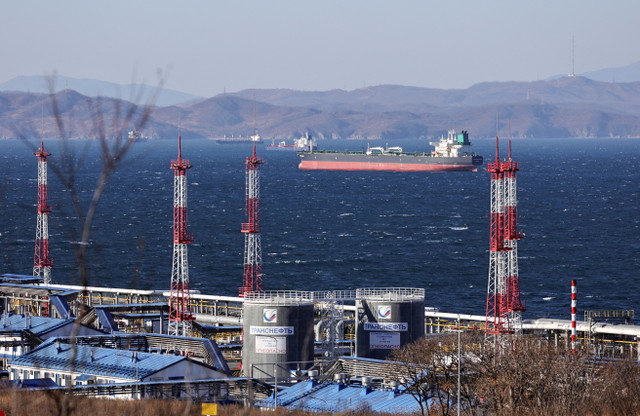
The proposed changes involve lowering the \"cut-off price,\" a fiscal threshold that dictates when oil revenues are diverted into the National Wealth Fund. While the current price is set at $59 per barrel with a planned annual decrease of $1, actual trading prices have remained consistently lower. Although Siluanov did not specify the exact magnitude of the adjustment, any reduction in the cut-off price would imply a decrease in government spending as more funds are funneled into savings.
Currently, the state maintains approximately $56 billion in fiscal reserves to address the budget deficit. However, analysts suggest that if the current rate of revenue decline persists, these reserves could be exhausted within a year. The sale of foreign currency from these reserves has supported the rouble's value, but the resulting exchange rate strength has further pressured the earnings of state entities and exporters. Prime Minister Mikhail Mishustin confirmed that senior government and central bank officials held an emergency late-night meeting on Tuesday to discuss sustainable methods for financing the country's growing budget deficit.