Negotiations continue for the Power of Siberia 2 pipeline through Mongolia, which could deliver 50 billion cubic meters annually. Gazprom began a feasibility study for the pipeline in 2020, and the project has gained urgency as Russia turns to China to replace Europe as its major gas customer. Gazprom CEO Alexei Miller said the countries signed a legally binding memorandum for the Power of Siberia 2 pipeline, but a firm contract has not been finalized.
Russia Dominates China's Seaborne and Pipeline Oil Imports
Russian oil and gas grades accounted for 20% of China's total imported oil volume in 2025. China is Moscow's top client for oil shipments via sea and pipelines, with exports elevated amid Western sanctions over the war in Ukraine. Russian foreign policy aide Yury Ushakov confirmed the 35% growth in export volumes during the first quarter of 2026.
The 4,070-km ESPO pipeline connects Russian fields to Chinese refineries and the Far East port of Kozmino. Transneft plans to complete an expansion of this network by 2029 to further increase export capacity. Current exports via Kozmino have remained at 1 million barrels per day since July 2025.
Russia also increased oil transit through Kazakhstan via the Atasu-Alashankou pipeline. Annual volumes on this route rose by 2.5 million tons to reach 12.5 million tons. This diversification allows Russia to maintain high export levels despite Western sanctions.
Shifting Dynamics in the Global LNG Market
Russia was the third-largest liquefied natural gas supplier to China last year, trailing Australia and Qatar. Chinese customs data shows Russian LNG exports to the country rose 18.2% to 9.79 million metric tons. China currently ranks as the world's largest buyer of seaborne gas.
While Russia expands in Asia, it remained the second-largest LNG supplier to the European Union with a 16% market share. However, the gap between Russia and the United States, Europe's primary LNG partner, widened in 2025. Moscow is increasingly reliant on Chinese demand to offset shrinking European pipeline flows.
What to Watch
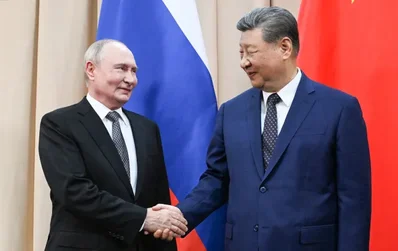
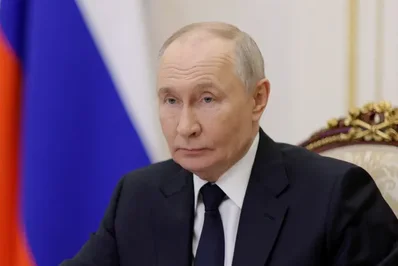
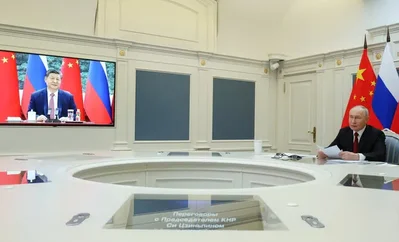
Russian President Vladimir Putin and Chinese President Xi Jinping will meet in Beijing on May 20 to discuss the Power of Siberia 2 contract and outline future energy volumes between the two nations as Russia deepens its pivot toward Asian markets.