UK Steel Criticizes EU Emissions Deal

British steelmakers are calling on the government to revise its recent emissions trading agreement with the European Union. Industry leaders argue the deal creates an unequal trading relationship by exposing UK exports to carbon taxes a year before EU competitors face similar levies.

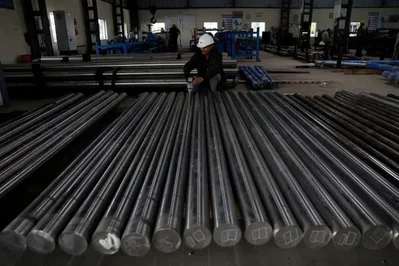
Freshly produced bars of steel move towards the cooling bed at the 7 Steel facility in Cardiff, Britain, July 18, 2025.

United Kingdom steelmakers called on the government on Friday afternoon to revise an emissions trading deal with the European Union, warning that a one-year carbon tax exemption gap disadvantages domestic producers. The agreement links emission systems to remove carbon border levies, but exempts EU goods entering Britain starting January 1, 2027, while British exports face EU fees until 2028. The timing mismatch exposes UK exporters to immediate administrative burdens and carbon costs in their largest overseas market.
Competitive Disparity in the European Market

Industry group UK Steel criticized the arrangement as a fundamentally unequal trading framework that lowers barriers for European steel entering the domestic market while leaving British exporters exposed. In 2024, the EU accounted for 78% of all UK steel exports, shipping 1.9 million metric tons across the Channel.

Mutual exemption should mean exactly that. It is extraordinary that the government has agreed to remove a barrier to European steel entering the UK market while British steelmakers continue to face that very same barrier when exporting to Europe, said Peter Brennan, director-general of UK Steel.

Economic Stakes and Government Intervention

The British government projects the emissions agreement could add up to £3.8 billion ($5 billion) a year to the domestic economy and exempt £6.5 billion of exports from EU carbon taxes. To safeguard the sector's future, Britain nationalized British Steel earlier this year. UK Steel stated it has requested a formal explanation from officials regarding the competitive disadvantage.

The British government will face further industry scrutiny as the implementation timelines approach ahead of the January 1, 2027 launch date.

Insightful questions