Russian Gas Prices Threaten China Pipeline Talks

Analyst Alexei Gromov warns that rising domestic gas prices in Russia could complicate negotiations with China over the Power of Siberia 2 pipeline project. Wholesale prices in Moscow now exceed those in the United States, raising questions about future pricing formulas.

Insights:
Xurve View
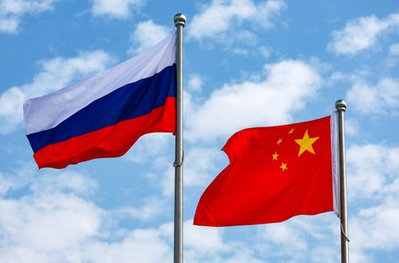
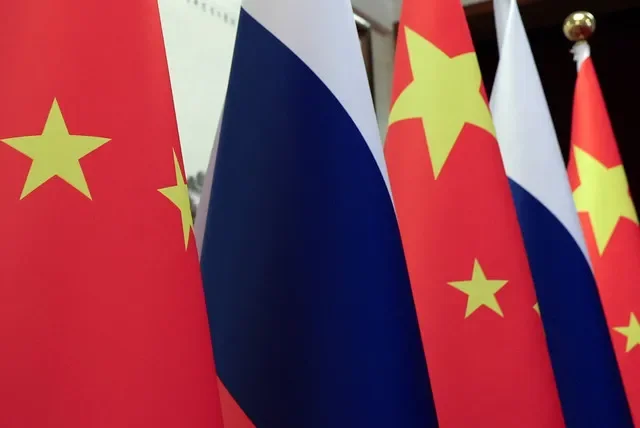
Russian and Chinese flags stand ahead of a welcoming ceremony inside the Great Hall of the People in Beijing, China May 20, 2026. REUTERS/Maxim Shemetov/Pool

Russia wholesale Natural Gas prices have climbed above domestic levels in the United States to 8,500 roubles ($103.13) per 1,000 cubic metres. The rising domestic fuel costs arrive as Moscow negotiates a major supply framework with China for the Power of Siberia 2 pipeline. The shifting price dynamics threaten to undermine the long-term economic viability of the cross-border energy project.

Wholesale rates in the Moscow region now exceed the $80 to $95 per 1,000 cubic metres paid by industrial consumers across the U.S. While Russian fuel remains cheaper than supplies in Europe, the inversion marks a shift in global energy cost comparisons.

Pipeline Economics and Pricing Formulas

Alexei Gromov, energy director at the Institute for Energy and Finance, said Friday that domestic price growth outpacing inflation could complicate ongoing bilateral talks. Gromov noted that Russian domestic prices are projected to exceed $120 to $130 per 1,000 cubic metres by the time the pipeline launches after 2030.

The fundamental question is what pricing formula Russia and China will agree on.

If the agreed delivery price mirrors local Russian costs, the project would function effectively as an export extension of the domestic market rather than a high-margin export channel.

Moscow will release updated domestic energy inflation figures on December 15.

Assets in this story

Insightful questions