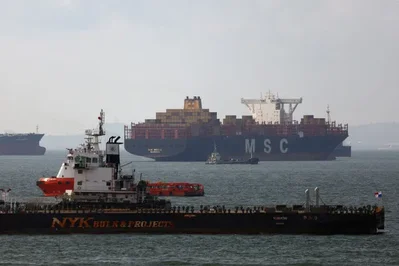
Energy economist Philip Verleger estimates that supply losses associated with disruptions in the Strait of Hormuz could reach 3 to 4 million barrels per day, representing roughly 5% to 12% of total global consumption. An additional 500,000 barrels per day may be lost due to blocked exports from Middle Eastern refiners.
"By shutting the Strait of Hormuz Iran has cut the exports of distillate-rich Middle Eastern crude, jet fuel, and diesel."
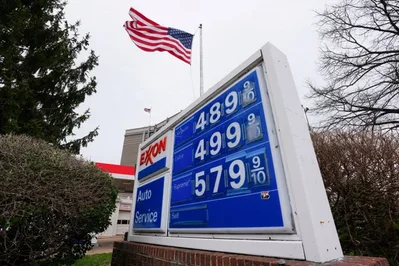
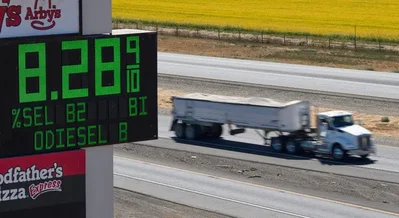
Verleger warned that retail diesel prices could nearly double if the strait remains closed for an extended period. Since the onset of the conflict, U.S. diesel futures have climbed more than $28 per barrel, significantly outpacing the $16 per barrel rise in crude oil futures. Similar price spikes have been observed in the Singapore trading hub and the Amsterdam-Rotterdam-Antwerp region in Europe.
The economic consequences of this sticker shock are expected to be widespread. James Noel-Beswick, an analyst at Sparta Commodities, suggested that sustained price increases for diesel and jet fuel will inevitably lead to demand destruction and a slowdown in economic growth. Rising transport costs are likely to translate into higher food and consumer prices in the near term.
The risk of a second wave of cost-push inflation is a primary concern for lenders like Cardiff. In the agricultural sector, high fuel costs could force farmers to reduce plantings just as the season begins in the Northern Hemisphere.
"A sustained diesel-led fuel shock can be inherently stagflationary because it raises the cost of moving goods and producing food and commodities while squeezing consumers."
In Asia, diesel margins recently hit a three-and-half-year high, while European spot prices for ultra-low sulfur diesel have jumped nearly 55% since late February. Alex Hodes, director of market strategy at StoneX Group Inc., pointed out that Europe is particularly vulnerable due to its reliance on Middle Eastern imports following efforts to move away from Russian energy.
While consumers and industries face rising costs, the situation has created record margins for refiners. Tom Kloza of Gulf Oil noted that while diesel historically sells for $20 to $25 per barrel above crude, recent margins have reached $30 to $65 per barrel or higher, effectively covering the operating costs for many global refineries.