
Poland Slashes Fuel Taxes and Implements Pump Price Caps
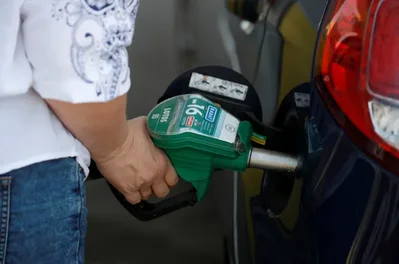
Poland will cut fuel taxes and cap retail prices to lower costs by 1.2 zloty per litre. The plan includes a potential windfall tax on energy companies.

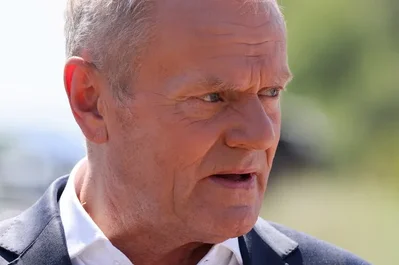
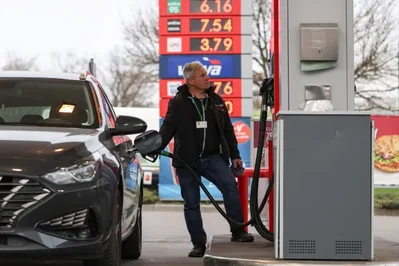
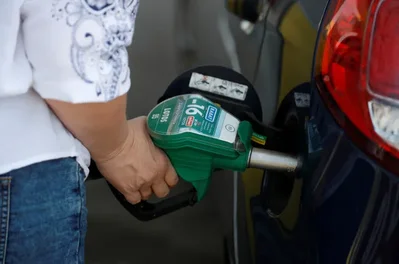
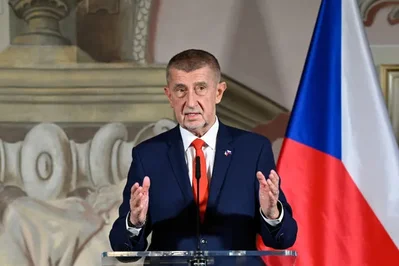
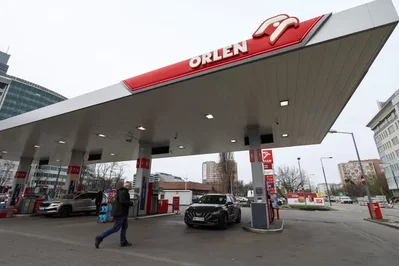
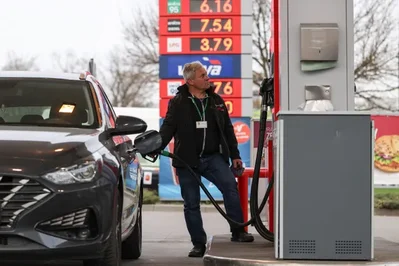
The government of Poland has unveiled a comprehensive plan to slash fuel taxes and implement price caps at the pump, a move designed to shield consumers from surging energy costs. Prime Minister Donald Tusk announced on Thursday that the value-added tax (VAT) on fuel will be reduced from 23% to 8%, while excise duties will be lowered to the minimum levels allowed by the European Union. This intervention comes as governments across the continent, including those in Romania and Hungary, take similar steps to mitigate the economic impact of ongoing international conflicts. Following the announcement, shares in the state-controlled refiner ORLEN SA fell sharply, dropping more than 6% as investors reacted to the possibility of a new windfall tax on energy companies. Tusk confirmed that the government is exploring such a tax to ensure that the benefits of the fiscal cuts reach drivers rather than increasing corporate profits. > "Even before the holidays, we should see prices fall by about 1.2 zloty per litre for all fuel." > "We want this reduction to have a real impact on prices, not to fill the pockets of those involved in the fuel trade." > "For the period of application of these VAT and excise tax reductions, we will introduce a maximum retail price for fuel." The Prime Minister also noted that the government is prepared to address the issue of foreign drivers taking advantage of the lower domestic prices. Poland is currently studying the model used in Slovakia, where vehicles with foreign registration plates are charged higher prices at petrol stations. > "We will not hesitate to use such tools if necessary." The surge in fuel prices has been driven by extreme volatility in the global energy market. Wholesale diesel costs have spiked by approximately 50% since late February, following military escalations involving the United States and Israel against Iran, which led to subsequent strikes on Gulf states. The rising cost of living has become a major point of contention for the nationalist opposition, which has accused the current administration of failing to act with sufficient urgency. While Orlen has maintained that its retail margins have been reduced to nearly zero, taxes and other levies still account for more than 40% of the total price paid by Polish motorists.