
Oil prices hold steady amid Iran de-escalation reports
Oil prices are stable as traders weigh reports of a possible end to the Iran conflict. Supply risks remain high with the Strait of Hormuz still largely closed.

Global energy markets experienced significant volatility on Tuesday as traders weighed a potential diplomatic shift against the physical reality of disrupted supply chains. The United States has signaled a possible end to military engagements with Iran, even as the Strait of Hormuz remains a primary chokepoint for global oil flows.
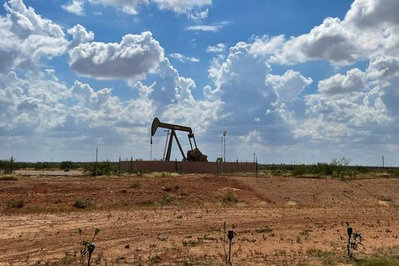
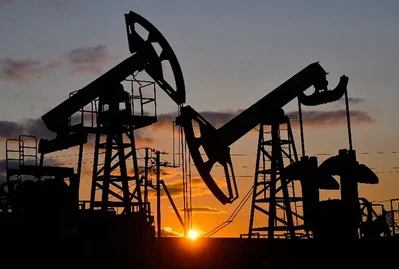
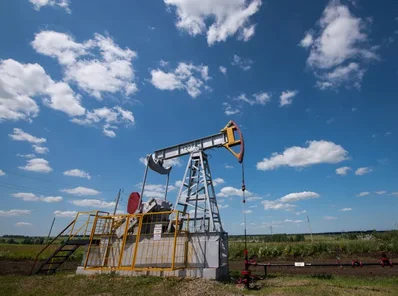
Brent Crude Oil futures for May delivery rose slightly by 0.16% to $112.96 per barrel, while U.S. West Texas Intermediate futures dropped 0.24% to $102.63 per barrel.
The mixed price movement follows a report from The Wall Street Journal indicating that the U.S. administration might be willing to halt military actions even if the Strait of Hormuz is not immediately reopened. This comes after a period of intense rhetoric where President Donald Trump issued a stern warning regarding the waterway.
"The U.S. would obliterate Irans energy plants and oil wells if Tehran did not reopen the waterway."
The closure of the strait, which handles approximately 20% of the world's oil supply, has already driven massive gains this month. Brent has surged 59% in March, marking its highest monthly increase on record. Analysts suggest that while political rhetoric may fluctuate, the physical constraints on supply remain a dominant factor. Sugandha Sachdeva, founder of SS WealthStreet, noted that the path to recovery for energy infrastructure would be lengthy.
"Even in the event of de-escalation, restoring damaged infrastructure will take time, keeping supply tight."
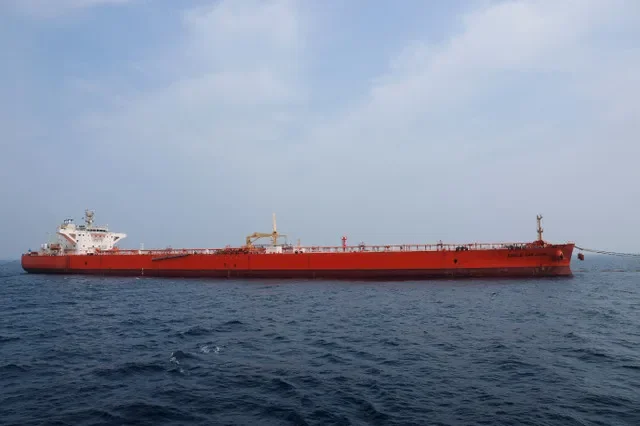
Security risks in the region were further highlighted when Kuwait Petroleum Corp reported that its tanker, the Al Salmi, was struck in an alleged Iranian attack at a Dubai port. Simultaneously, tensions have flared at other maritime chokepoints. Houthi forces in Yemen recently targeted Israel with missiles, raising alarms about the Bab el-Mandeb strait.
In response to these threats, Saudi Arabia has significantly altered its export routes. Data from Kpler shows that Saudi crude volumes redirected to the Red Sea port of Yanbu reached 4.658 million barrels per day last week, a sharp rise from the early-year average of 770,000 barrels per day. Lin Ye, vice president at Rystad Energy, warned that the market is nearing a tipping point.
"With the oil markets remaining buffers gradually being consumed, the markets vulnerability to a prolonged closure of the strait means that we are moving closer to physical oil shortages across a wider geographic scope, and the upward momentum for oil prices is likely to strengthen further."
Adding to the supply concerns, a preliminary Reuters poll suggests that crude oil stockpiles in the U.S. likely fell last week, alongside declines in gasoline and distillate inventories.