Stocks Rise and Oil Falls as Iran Opens Strait of Hormuz
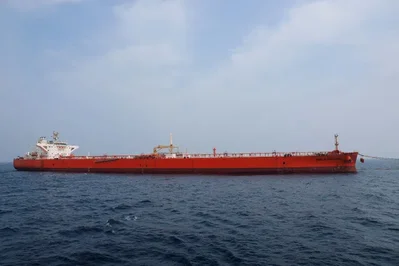
Global markets rose on Friday after Iran reopened the Strait of Hormuz to commercial vessels. Oil prices fell below 90 dollars as rate hike risks diminished.

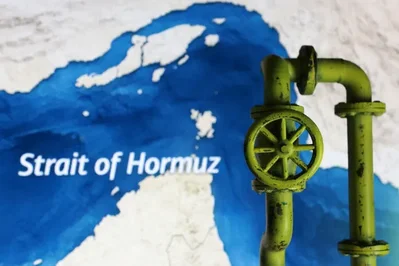
Global financial markets experienced a significant surge on Friday after Iran announced that the Strait of Hormuz would be fully reopened for commercial shipping. The move, which aligns with the current ceasefire in Lebanon, triggered a sharp rally in equities and bonds while causing energy prices and the dollar to retreat. Brent Crude Oil saw a dramatic decline, falling as much as 10% to trade below $90 per barrel as supply concerns eased. This shift in the geopolitical landscape led to a tumble in short-dated government bond yields, particularly in Europe, as investors began to price out the likelihood of near-term interest rate hikes. The dollar, which had been supported by safe-haven demand, fell sharply against major currency pairs including EUR/USD, GBP/USD, and USD/JPY. Market analysts suggest that the reopening of the vital shipping lane removes a substantial tail risk for the global economy. Michael Brown, senior research strategist at Pepperstone, noted the importance of normalizing commodity flows through the region. > "If we move to a situation where actually the path is still towards de-escalation - but we now have the bonus of commodity flows through Hormuz getting back to something resembling a normal level that we saw pre-conflict - then thats obviously removing a pretty chunky tail risk for the economy as well." Currency strategists observed that the speed of the transit resumption is the primary driver for the current market repricing. Nick Kennedy of Lloyds highlighted that the market is focusing on the duration of the disruption. > "From a markets perspective its about the duration of the disruption, so the swifter transit can get through the better, and markets reprice the outlook." While the immediate reaction has been positive, some experts urge caution regarding the longevity of the ceasefire. Tom Di Galoma of Mischler Financial Group noted that while oil is falling, it may take time for the situation to fully stabilize. Joseph Trevisani, senior analyst at FX Street, pointed out that while the United States administration may remain skeptical of official statements, the actual movement in oil prices is the defining factor for the day. Lars Skovgaard of Danske Bank suggested that the news could lead to a rotation in market indices, potentially favoring European and emerging markets over the United States. > "I think it will be positive but not something that will propel the market higher." From a central banking perspective, the easing of geopolitical tensions provides a shift in the narrative. Evelyne Gomez-Liechti, multi-asset strategist at Mizuho, indicated that the development reduces the pressure for emergency tightening. > "It takes the risk of an emergency hike off the table."