Nigeria sets new green tax on large engine vehicles
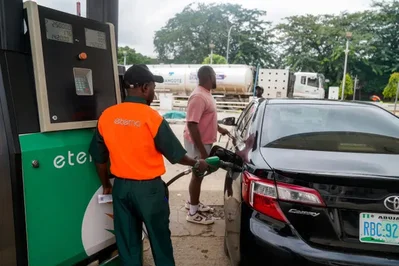
Nigeria will introduce a green tax on vehicles with engines over 2,000cc starting July 1. The levy ranges from 2% to 4% while electric vehicles remain exempt.

Nigeria has introduced a new green tax surcharge on motor vehicles as part of its 2026 fiscal policy measures, according to a government circular. The new levy, which was approved on April 1, is set to take effect on July 1 and targets vehicles with larger engine displacements.
Under the updated regulations, vehicles with engine sizes ranging from 2,000cc to 3,999cc will be subject to a 2% surcharge. Vehicles equipped with engines of 4,000cc and above will face a higher rate of 4%. Conversely, vehicles with engines smaller than 2,000cc, electric vehicles, mass transit buses, and locally manufactured vehicles are exempt from the new tax.

This measure is a component of a broader package of fiscal changes approved by the presidency. The 2026 policy framework also includes revised import tariffs, adjustments to excise duties, and the formal adoption of the ECOWAS common tariff. To facilitate a smooth transition, the government has granted a 90-day grace period for importers, manufacturers, and service providers before the new excise duty rates are fully implemented.
Finance Minister Wale Edun confirmed that the new measures are designed to update the national economic strategy. Regarding the transition, Edun stated:
The measures will replace the 2023 fiscal policy framework and will be published in the official government gazette.
The implementation of these taxes reflects a growing focus on environmental sustainability and revenue generation within the automotive sector, which remains a vital part of the national economy.