
NY Fed Finds Gas Price Surge Hits Lower Incomes Harder
A New York Fed report shows that rising fuel costs from Middle East conflicts are disproportionately impacting lower-income Americans. While wealthier households maintained consumption by increasing spending, lower earners reduced their actual gasoline use or switched to public transit.

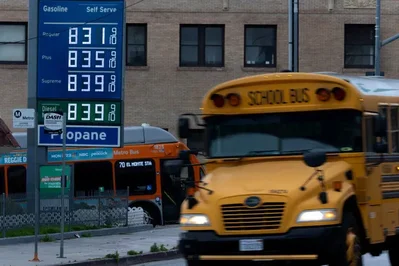
The Federal Reserve Bank of New York reported Wednesday that surging fuel costs tied to the Middle East war are straining lower-income households more severely than wealthier ones. Wealthier households increased spending to maintain steady fuel consumption in March, while lower-income households cut actual gasoline usage despite higher nominal spending. Energy-driven inflation is widening consumption gaps across the income spectrum.
### Consumption Gap Widens Between Income Brackets Wealthier households increased nominal spending in March to offset higher prices at the pump without reducing their travel or fuel needs. In contrast, low-income households saw total spending rise even as they decreased their real consumption of gasoline.