
Namibia Halves Fuel Levies to Protect Local Consumers
Namibia will cut fuel levies by 50 percent for three months to offset rising prices. The move aims to protect consumers from global oil supply disruptions.

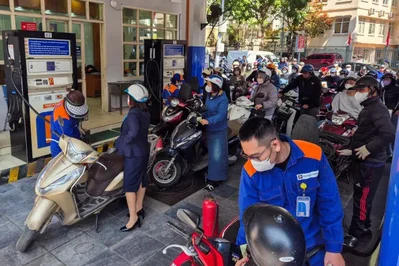
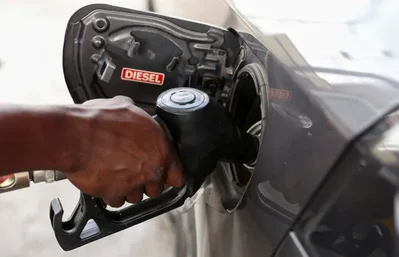
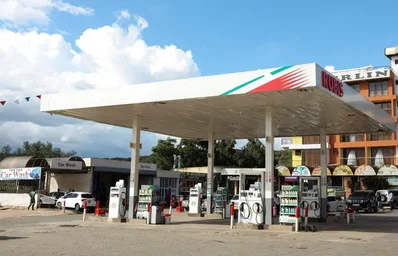
The government of Namibia has announced a temporary 50% reduction in fuel levies for at least three months to shield consumers from rising pump prices. This policy, set to remain in place until the end of June, is a direct response to the heightened global energy costs resulting from the conflict involving the United States, Israel, and Iran. As a country entirely dependent on refined petroleum imports, the southern African nation is particularly sensitive to disruptions in the Middle East, where approximately 20% of global oil and liquefied natural gas exports transit through the Strait of Hormuz.
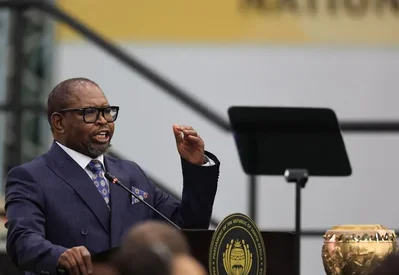
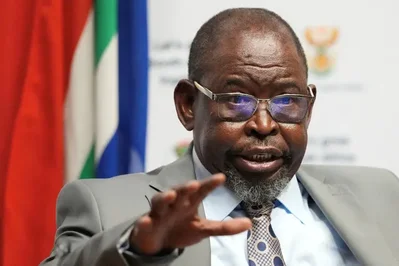
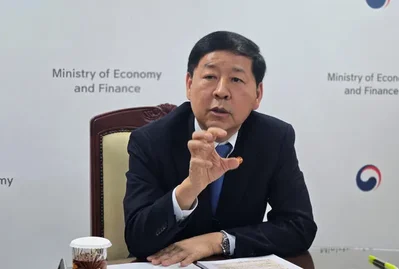
Energy Minister Modestus Amutse detailed the necessity of the intervention during a media briefing, citing the extreme price fluctuations seen in international markets.
This measure is necessitated due to the high price volatility of petroleum products, which resulted from the ongoing geopolitical tensions in the Middle East.
The government plans to leverage its National Energy Fund to stabilize domestic prices from April 1 through June. The under-recovery for April is projected to reach 500 million Namibian dollars, equivalent to approximately $29 million. Even with the levy reduction, fuel prices at the pump will increase by N$2.50 per litre for petrol and N$4.00 per litre for both diesel grades, with the government absorbing the remaining costs to prevent further financial strain on citizens.
The objective is to smooth price volatility and ensure stability in domestic fuel prices.
Namibia currently consumes about 100 million litres of fuel per month. Although the country is a rising hotspot for oil and gas exploration and aims to begin its own production by 2030, it must currently manage its existing reserves. Amutse emphasized that current fuel stocks are adequate to cover national demand for up to two months and cautioned the public against panic buying or the illegal hoarding of fuel supplies.