
More Japanese Firms Oppose Rate Hikes Amid Iran War Risks
A Reuters poll shows 30 percent of Japanese firms now oppose rate hikes as the Iran war disrupts energy supplies. Many cite rising fuel costs and growth risks.

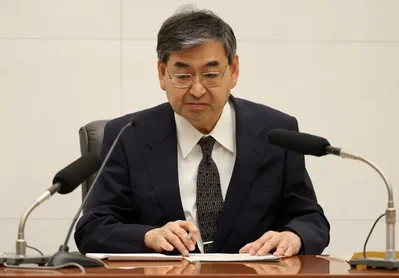
A new survey reveals that a growing number of corporate leaders in Japan are opposing potential interest rate hikes by the central bank. This shift in sentiment comes as the conflict involving Israel and Iran creates significant uncertainty for global economic growth and corporate profitability. The war, which began in late February, has disrupted energy flows through the Strait of Hormuz, leading to a sharp increase in global oil prices. According to the Reuters poll conducted by Nikkei Research, approximately 30% of respondents now say they do not want a rate hike at all, a notable increase from the 17% recorded in a January survey. Regarding the timing of future policy changes, 37% of firms favor the second half of 2026, while 16% believe the Bank of Japan should wait until 2027 or later. Only a small minority supports immediate action in April or June. > "We have a tense Middle East situation and lofty crude oil prices. What can be a reason for raising rates?" The geopolitical tension is already being felt across the supply chain. About 28% of the 212 responding companies reported that the war is currently impacting their business operations, while over half expect to feel the effects eventually. The primary concerns cited by these firms include rising fuel and raw material costs, alongside logistical challenges. > "What we fear the most is shortages of crude oil, crude oil-derived naphtha and intermediate products leading to stalled output at manufacturers and to slower shipments and decreased cargo volume." The price of West Texas Oil remains a critical metric for corporate health. The survey found that 42% of Japanese firms could maintain profit growth if crude prices stay at or below $100 per barrel. However, the reliance on imported energy is a major vulnerability, as the nation sourced 94% of its crude oil from the Middle East in 2025. In addition to energy concerns, trade relations with the United States continue to weigh on the outlook. While the U.S. Supreme Court recently struck down certain global tariffs, the administration has implemented a 10% tariff for a 150-day period under the Trade Act of 1974. These trade barriers are complicating efforts to benefit from the current USD/JPY exchange rate. > "We want to boost exports by capitalising on a weaker yen, but the tariffs are getting in the way." Bank of Japan Governor Kazuo Ueda has acknowledged these risks, recently emphasizing the need for vigilance regarding the fallout from the Middle East conflict. This cautious tone marks a departure from previous signals that suggested a more aggressive path toward normalizing monetary policy.