
BOJ Likely to Raise Rates by June on Iran War Inflation
Former economist Seisaku Kameda says the Bank of Japan may raise rates by June as the Iran war fuels inflation. He warns the bank must avoid falling behind the curve.

The Bank of Japan is likely to raise interest rates by June as rising oil costs from the conflict in Iran increase the risk of the central bank being too late to address high inflation. Seisaku Kameda, a former top economist at the bank, stated that unless the war causes a severe global recession, there is little choice but to increase rates further. This is because the oil shock adds inflationary pressure to an economy in Japan already experiencing a steady rise in prices and wages. Kameda noted that corporate price-setting behavior has shifted, making it easier for initial shocks to trigger broader and more persistent inflation.
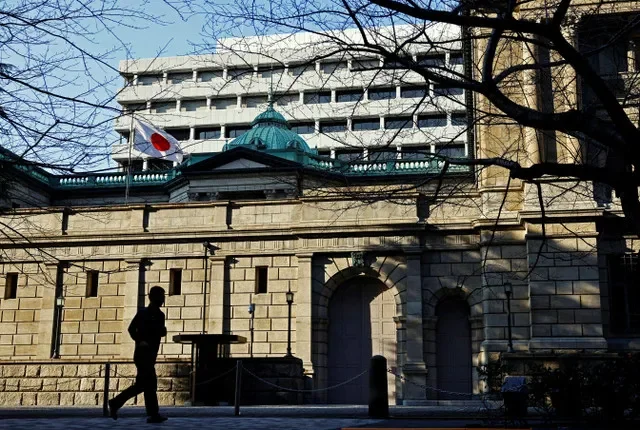
I don't think the BOJ can afford to wait too long in raising rates because depending on how the war unfolds, it could fall behind the curve in addressing inflation risks.
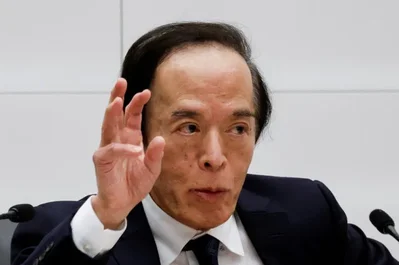
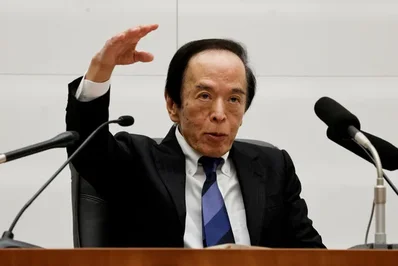
The central bank held interest rates steady at 0.75% last week but maintained a bias toward tighter monetary policy. Governor Kazuo Ueda emphasized the progress made in meeting the prerequisites for further rate hikes. While the impact on growth from the war may lead to lower growth forecasts in the next quarterly estimates, Kameda expects the bank to project an economic re-acceleration. This outlook reflects views within the bank that it waited too long to raise rates last year when the United States announced sweeping tariffs that ultimately caused less damage than expected. As the bank delayed action, inflation continued to exceed the 2% target, a mistake it likely does not want to repeat. Kameda, now an executive economist at the Sompo Institute Plus, warned that if the bank waits too long, supply shocks from the war could cause inflation to keep accelerating.