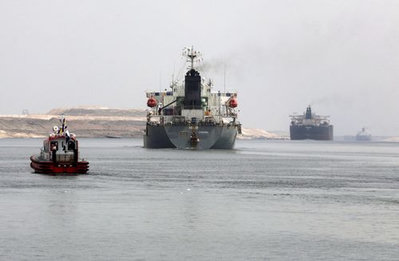
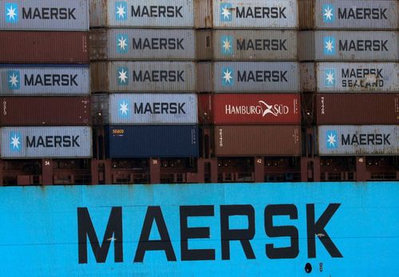
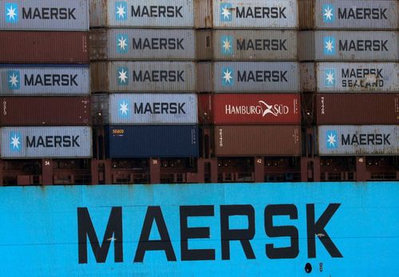
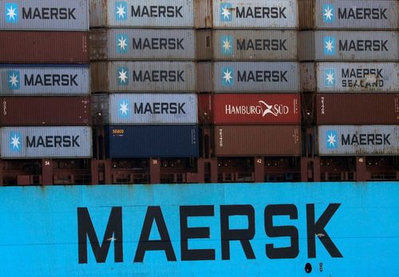
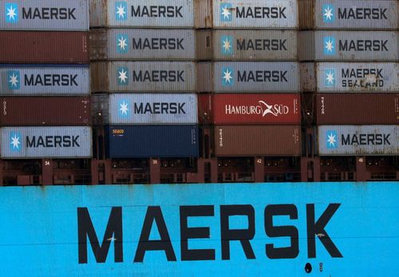
This tactical shift follows a brief period of optimism last month when the group signaled a phased return to the Suez Canal. That route is considered vital for global trade but has been plagued by instability for two years following a series of maritime strikes launched by Houthi rebels based in Yemen.
In an official statement, the company highlighted the difficulty of maintaining schedules under current conditions.
After conversations with our security partners, it is clear that these constraints are making it challenging to avoid delays in regard to passage through the area.
While the group cited unforeseen constraints within the wider operating environment, it did not offer specific details on the nature of these new barriers. The decision underscores the ongoing volatility in one of the world's most critical maritime corridors, where security concerns continue to outweigh the efficiency of shorter transit paths.