
Italy calls for easier EU deficit rules during crisis
Italy expects the EU to ease deficit rules if the Middle East crisis lasts. The government also extended fuel tax cuts to help stabilize rising energy prices.

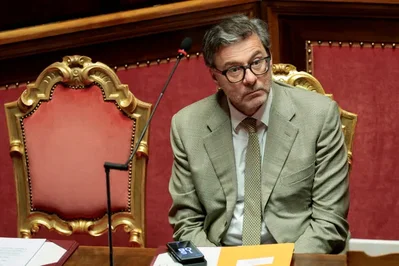
The government of Italy expects the European Union to inevitably consider easing its budget deficit rules if the conflict involving the United States, Israel, and Iran continues. Economy Minister Giancarlo Giorgetti stated on Friday that the ongoing crisis is creating economic pressures that will make discussions regarding fiscal flexibility necessary at the European level.
It is clear that, unless the situation changes, discussions at the European level will be inevitable.
Giorgetti informed reporters in Rome that the cabinet has approved a decree to allocate approximately 500 million euros ($577.20 million) to extend a cut in fuel excise duties until May 1. This move is intended to stabilize energy prices as the international outlook darkens. The minister noted that he has consistently advocated for a relaxation of the rules—which currently limit budget deficits to 3% of national output—since the beginning of the conflict.
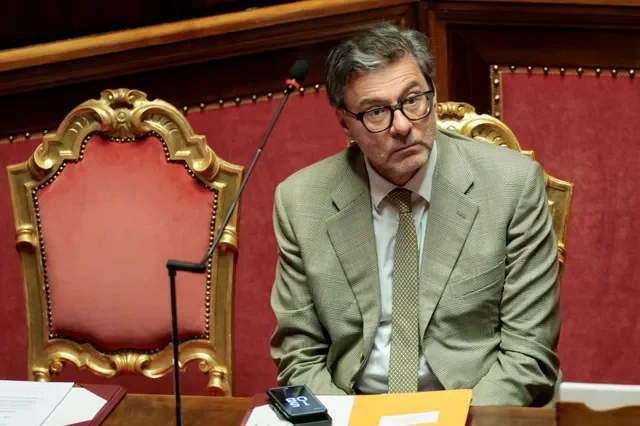
I expressed this view at the very start of the conflict, reiterated it at the euro zone finance ministers meeting, and will do so at any international forum I attend.
Italy is currently under an EU infringement procedure for its excessive deficit, a status that restricts the government's fiscal maneuverability. While the EU suspended budget rules between 2020 and 2023 via a general escape clause to handle the pandemic, those rules were reinstated in 2024. The current geopolitical climate threatens the ability of the government to meet its goal of reducing the deficit from 3.1% in 2025 to 2.8% of gross domestic product this year.
The issue of how long the conflict will last will, unfortunately, have consequences for both monetary and fiscal policies in the countries affected by these developments.
European Central Bank Governing Council member Fabio Panetta also expressed concern regarding energy market tensions and their potential impact on financial stability. He warned that changes in global investor risk perception could lead to significant pressure on government bonds, particularly for highly-indebted nations. Reports suggest that Rome may soon lower its GDP growth forecast for the year to 0.5% or 0.6%, down from the current 0.7% projection, as the international situation continues to impact economic performance.