Italy cuts fuel excise duties by 25 cents before key vote
Prime Minister Giorgia Meloni announced a fuel price reduction to support families amid high energy costs. The move comes days before a national referendum.

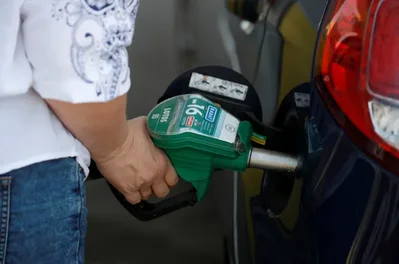
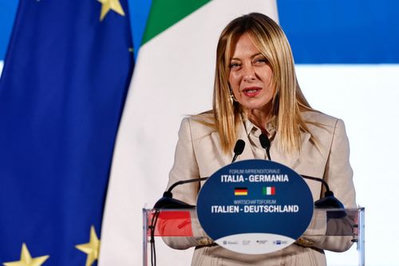
The government of Italy has officially approved a reduction in excise duties on fuels to mitigate the impact of rising energy costs on households and businesses. This decision comes amid heightened energy market volatility triggered by ongoing conflict in the Middle East. Prime Minister Giorgia Meloni announced the measure following a cabinet meeting, confirming a significant drop in prices at the pump.
"We're cutting the fuel price by 25 cents per litre, for all."
The timing of the intervention is politically sensitive, as the nation prepares for a critical referendum on judicial reform scheduled for March 22-23. While the right-wing coalition led by Meloni advocates for the reform, the centre-left opposition, including the Democratic Party, has criticized the fuel price cut as a tactical move to garner support ahead of the vote. The opposition described the decree as a delayed response to the energy crisis primarily intended to bolster the government's standing.
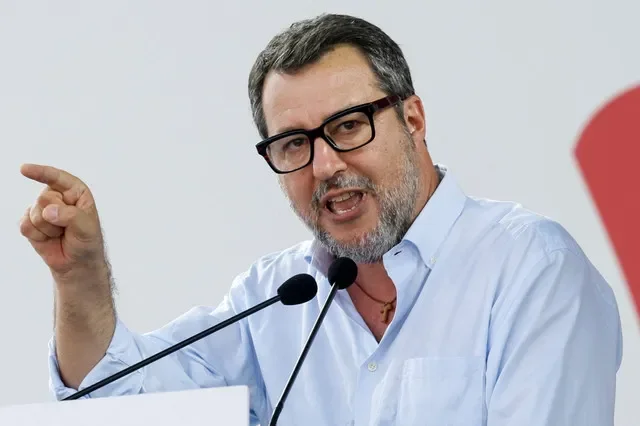
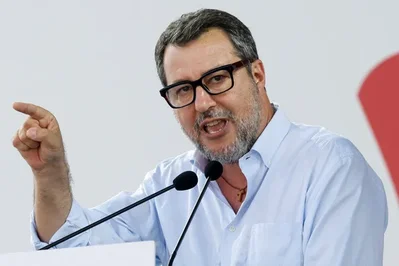
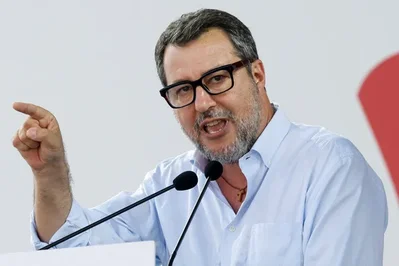
The reduction in excise duties is expected to remain in effect for approximately 20 days. Beyond the immediate price cut, the government's decree includes a 608 million euro ($697.86 million) allocation for tax breaks aimed at supporting the trucking industry with diesel purchases. Deputy Prime Minister Matteo Salvini has also engaged with petrol station operators to ensure the benefits are passed on to consumers, warning against price speculation.
"The companies have told us that they aren't speculating, but of course we'll be checking."
Salvini indicated that the administration aims to stabilize diesel prices below 1.90 euros per litre, down from current levels of approximately 2.10 euros. To fund these energy-related measures, the government previously increased the IRAP corporate tax on energy companies, a move projected to generate roughly 1 billion euros for the state treasury through 2028. Additionally, the new decree empowers authorities to report companies suspected of unjustified price hikes to judicial officials.
On the international stage, Meloni is seeking support from European Union partners to temporary freeze the Emissions Trading System (ETS) carbon-permit scheme. The ETS is a core component of EU climate policy, requiring industrial polluters to purchase permits for CO2 emissions. The Italian government argues that pausing these requirements could provide further relief from high energy bills for both citizens and industry.