Foreign Investors Warn Vietnam Over Renewable Energy Cuts
Five chambers of commerce warned Vietnam that investors may seek legal action over unpaid electricity tariffs. The group urged an amicable solution to prevent defaults on multibillion-dollar investments.

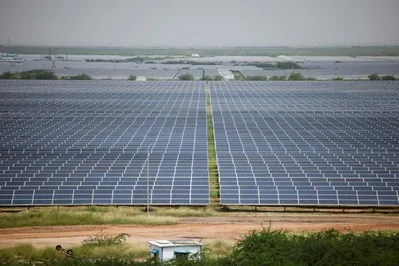
Foreign investors are signaling potential legal action against Vietnam if the government fails to honor electricity tariff agreements for numerous wind and solar projects. According to a document signed by five international chambers of commerce, the ongoing dispute stems from a decision to reduce previously promised subsidized rates for renewable energy producers.
The policy shift began last year when Vietnamese authorities cut feed-in tariffs for certain solar and wind farms, citing alleged irregularities. This move coincides with broader energy sector challenges, including rising costs and supply risks linked to geopolitical tensions involving Iran. Despite lengthy negotiations involving projects with a combined capacity of 12 gigawatts, a compromise has not been reached.
In response, chambers of commerce representing the European Union, the United Kingdom, Japan, South Korea, and Thailand issued a joint letter to the government on Thursday. The document emphasizes that the current situation threatens multibillion-dollar investments and could lead to widespread defaults in the renewable energy sector.
If payment obligations are not met, electricity producers may seek to enforce remedies, including pursuing dispute resolution in Vietnam or other jurisdictions.
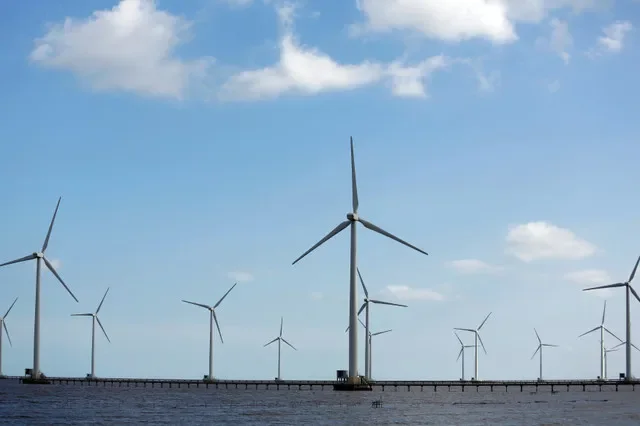
The Southeast Asian nation previously saw a massive influx of capital into its green energy market, driven by high feed-in tariffs where the state committed to purchasing power for 20 years at above-market rates. However, these obligations significantly increased the financial burden on EVN AG, the state-owned utility and sole purchaser of electricity, leading to higher costs for domestic consumers and industry.
A retroactive change to these tariffs took effect in January 2025 following investigations into how preferential rates were accessed. The industry ministry has not yet commented on the letter from the five chambers. This coordinated diplomatic pressure follows a similar protest in May, which included 16 firms and investors such as Dragon Capital and the ACEN energy group, alongside stakeholders from the Philippines, Portugal, the Netherlands, Singapore, and China.