India Signals Two-Year Extension for E-Commerce Tariffs
India has indicated it may support a two-year extension of the WTO moratorium on e-commerce tariffs. This move comes as the U.S. pushes for a permanent ban.

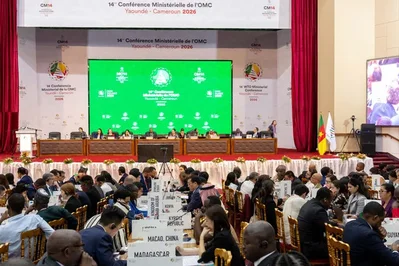
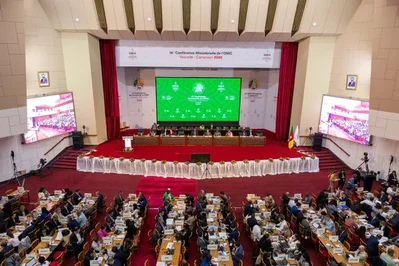
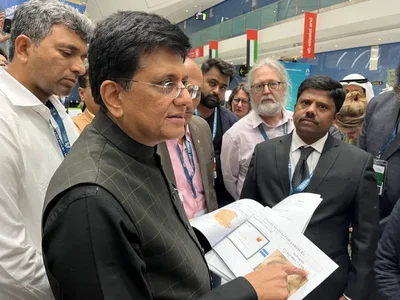
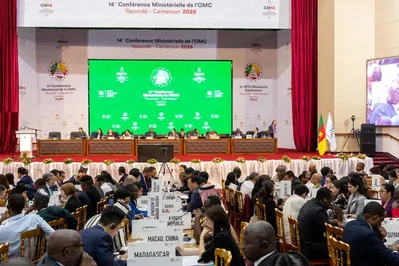
India has signaled a potential shift in its long-standing opposition to extending a global agreement that prohibits tariffs on electronic transmissions, such as digital downloads and streaming services. According to senior diplomatic sources, the South Asian nation indicated late Friday that it might support a two-year extension of the moratorium, which is currently scheduled to expire this month. This development comes after India's Commerce Minister, Piyush Goyal, had previously cast doubt on efforts led by the United States to make the ban permanent. During a World Trade Organization (WTO) meeting held in Cameroon this week, Goyal suggested the moratorium required careful reconsideration. However, the newfound openness to a short-term extension marks the first significant sign of a compromise ahead of further WTO discussions on Saturday. Despite this movement, it remains uncertain whether a temporary fix will satisfy officials in Washington. United States Trade Representative Jamieson Greer stated on Thursday that the administration is seeking a permanent solution rather than another short-term renewal. Business leaders have emphasized that the moratorium is essential for maintaining market predictability, fearing that the introduction of digital duties could disrupt global trade. Diplomats noted that the positions of the United States and India remain significantly far apart. Some members are reportedly attempting to find a middle ground by proposing an extension of five to ten years, stretching beyond the next ministerial meeting. The outcome of these negotiations is viewed as a critical test for the WTO's relevance amidst a year characterized by trade friction and logistical disruptions caused by global conflicts. > I think for some countries its actually quite existential to prolong the moratorium for a significant time. Norway's Foreign Minister, Espen Barth Eide, noted that a successful extension would demonstrate the ability of ministers to deliver concrete results at the Yaounde meeting. For nearly thirty years, the moratorium has been renewed periodically, providing a stable regulatory landscape for major technology firms. The United States is particularly focused on ensuring that American tech giants, including Amazon.com, Inc., Microsoft Corporation, and Apple Inc., can operate without the threat of new cross-border digital taxes. Industry advocates argue that allowing the agreement to lapse would create significant costs and uncertainty for the digital economy.