
India to require domestic solar ingots and wafers by 2028
India plans to mandate local solar ingots and wafers from June 2028 to cut imports. This move supports reaching 500 GW of non-fossil fuel capacity by 2030.

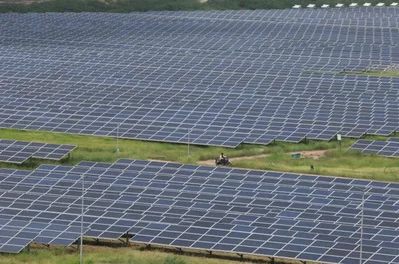
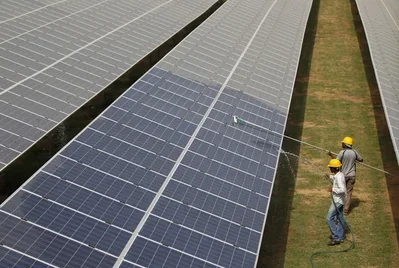
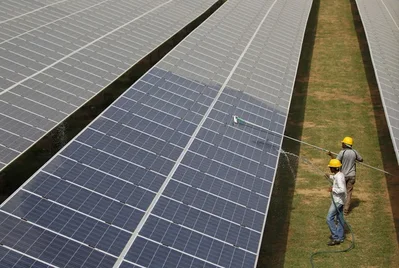
India is proposing a new mandate that will require clean energy companies to use only locally manufactured solar ingots and wafers for their projects starting in June 2028. This strategic move, announced by the country's renewable energy ministry on Wednesday, is aimed at reducing reliance on imports from China and ensuring a robust domestic supply chain across the entire solar panel manufacturing sector.
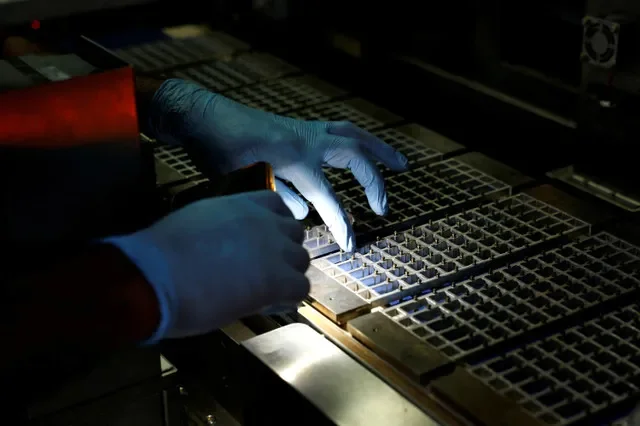
Currently, the South Asian nation has a manufacturing capacity of approximately 2 gigawatts (GW) for ingots and wafers. To bridge the gap in domestic production, the government has already directed the industry to utilize locally made solar cells beginning in June 2026. While state-run projects are already required to use locally assembled solar panels, many critical components like cells, wafers, and polysilicon are still largely imported from international markets.
In response to these regulatory shifts, several major players are planning significant investments. Companies including Waaree Energies, Tata Power, and Indosol Solar have proposed billions of rupees in capital expenditures to build out renewable manufacturing capacity. These developments are essential as the nation aims to double its non-fossil fuel-based power capacity to 500 GW by 2030.
The evolving policy landscape in the region is also being monitored by global energy technology firms such as NET Power Inc. and solar infrastructure providers like FTC Solar, Inc., as the push for localized supply chains impacts trade dynamics and manufacturing standards within the international renewable energy sector.