
India to Build Resource Buffers Amid Global Tensions
New Delhi will reprioritize fiscal spending and build resource buffers to counter energy supply risks. Officials ordered refiners to maximize LPG output.

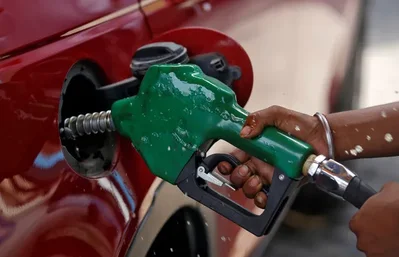
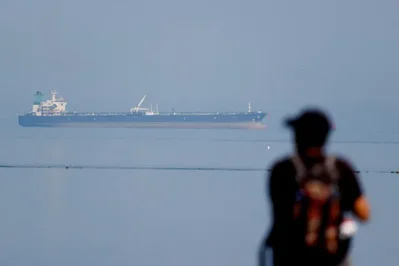
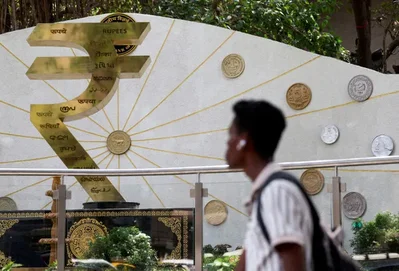
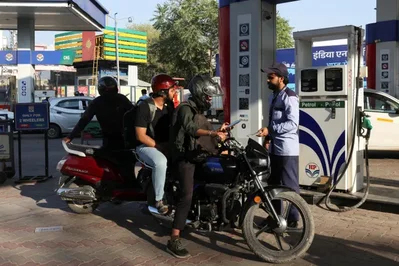
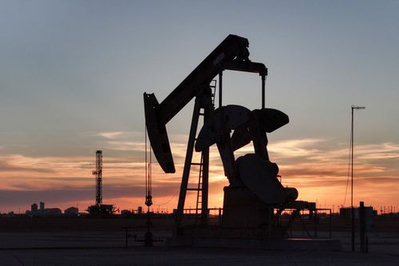
The government of India has emphasized the necessity of establishing natural resource buffers and reprioritizing fiscal spending in response to the ongoing conflict in the Middle East. According to the monthly economic report released on Friday, the geopolitical situation has exposed vulnerabilities in the nation's energy security framework. Currently, the country's crude oil reserves are estimated to cover only 25 days of demand. This concern is heightened by the fact that approximately 40% of petroleum imports must pass through the Strait of Hormuz. While the global market for Brent Crude Oil remains volatile, the report notes that strong foreign exchange reserves and moderate inflation levels should provide a buffer against rising import costs. > The conflict in the Middle East has underscored the importance of natural resource buffers, and fiscal resources have to be reprioritised in coming years. The report further warned that a prolonged crisis could weaken the national currency and expand the current account deficit. Sectors such as petrochemicals and fertilizers, which are heavily dependent on liquefied natural gas and crude supplies, remain particularly susceptible to disruption. In an effort to secure domestic energy needs, the government recently invoked emergency powers to mandate that refiners maximize the production of liquefied petroleum gas to prevent shortages of cooking fuel.