India maintains fiscal deficit target despite oil surge
India is considering austerity measures to protect its 4.3 percent fiscal deficit target. Officials will curb ministry spending and prioritize infrastructure.

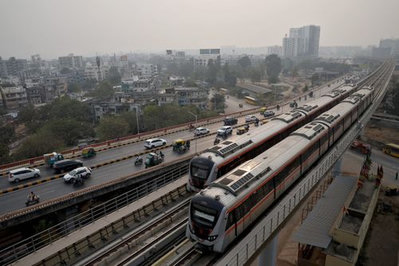
India is currently evaluating austerity measures to manage its fiscal health while maintaining its deficit targets for the 2026/27 financial year. Despite the geopolitical volatility in the Middle East, government sources indicate that New Delhi remains committed to its 4.3% of GDP fiscal deficit goal, down from 4.4% in the previous year. The government intends to prioritize capital expenditure on critical infrastructure such as roads, railways, and airports to sustain economic growth and job creation. To offset potential budget pressures, officials are considering spending curbs in ministries that have shown limited capacity to utilize their allocated funds. The ongoing conflict involving Iran has contributed to a surge in global energy costs, specifically affecting Brent Crude Oil. This rise in commodity prices places a significant burden on federal finances, especially as the government has already implemented excise duty cuts to shield consumers from higher fuel prices. > For India to revise its budget projections, the current situation would need to persist for at least two to three months, one of the sources said. Rising global commodity prices are expected to increase the government's spending on fertilizer and petroleum subsidies, which were initially budgeted at 1.83 trillion rupees ($19.69 billion). Furthermore, the decision to not fully pass on crude oil price hikes to consumers—partly due to upcoming state assembly elections in four large states—is expected to impact revenue. While the government remains optimistic, some economists anticipate potential fiscal slippage. Standard Chartered has suggested that the deficit could exceed targets by 0.7 to 0.9 percentage points of GDP. However, officials believe that better targeting of subsidies and savings within various ministry schemes will help mitigate these risks. The federal government's capital spending is budgeted to rise to 12.22 trillion rupees ($131.45 billion), or about 4.4% of GDP, in the current fiscal year, up from revised spending of 10.96 trillion rupees ($117.90 billion) in the 2025/26 period.