India allows state firms to buy critical Chinese equipment
India authorized state firms to source critical Chinese equipment to prevent project delays. The move eases security clearance rules for Chinese bidders.

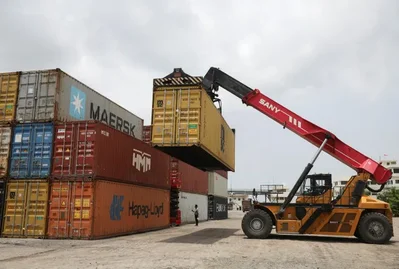
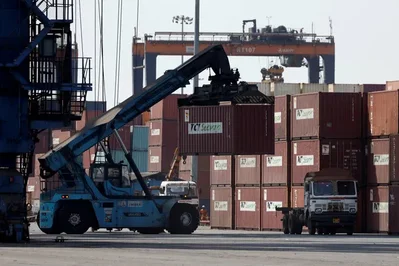
India has authorized several state-run enterprises to purchase critical equipment from China, signaling a significant shift in trade policy following years of heightened restrictions. This move comes as New Delhi seeks to address project delays and equipment shortages that have hampered industrial growth.
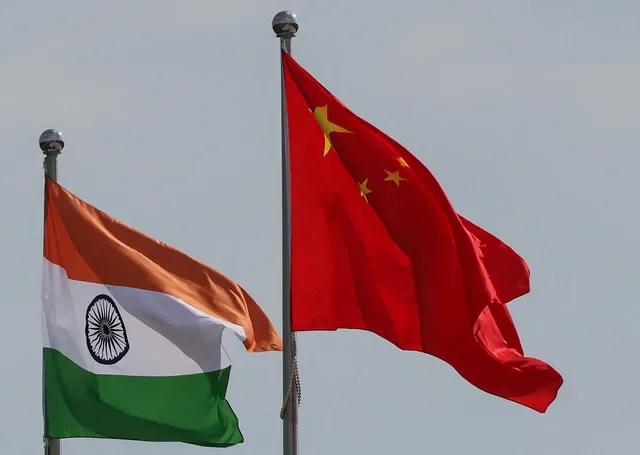
Among the primary beneficiaries of this policy relaxation is Bharat Heavy Electricals Limited, the country's largest state-run power equipment manufacturer. According to government documents, the firm is now permitted to procure 21 specific types of critical equipment from Chinese suppliers. Similarly, Steel Authority of India Limited has received authorization to source essential components, while other state entities have been cleared to acquire coal-gasification technology.
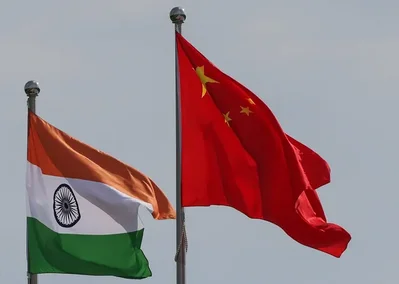
The restrictions were originally implemented following a deadly border confrontation in 2020, which led to a freeze on Chinese investments and procurement. However, a global realignment of trade and the impact of international tariffs have prompted a calibrated reset of economic ties between the two nations to maintain steady supply chains and attract investments.
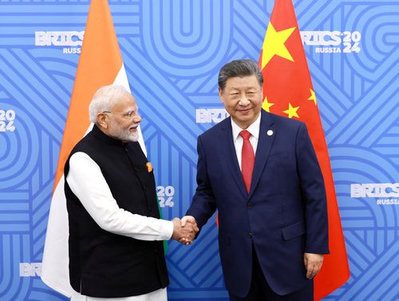
The easing of trade barriers follows high-level diplomatic engagements, including a visit by Prime Minister Narendra Modi to meet with Chinese President Xi Jinping last August. Since that meeting, the two countries have resumed direct flights and simplified visa processes for business professionals to facilitate smoother economic interactions.
A recent government order exempts Chinese bidders participating in state contracts from the previously mandatory registration with a government committee for political and security clearances. This administrative change, alongside the easing of investment restrictions in select sectors, marks a significant recalibration of the economic relationship between the two neighbors.