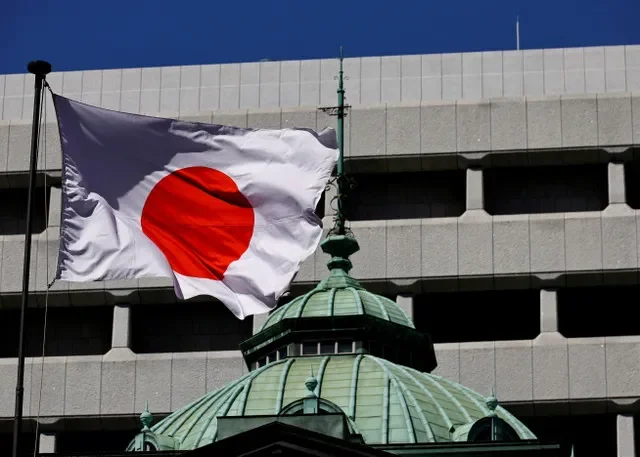
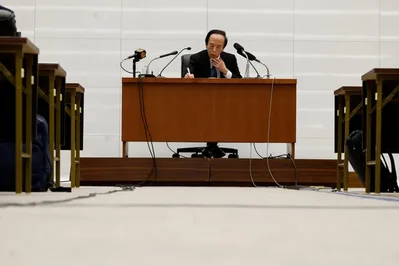
Anand suggested that the central bank can maintain its plan for gradual interest rate hikes, as current price pressures are unlikely to unanchor inflation expectations. He emphasized that the domestic economy is less likely to see high prices feed into core inflation or wages compared to other nations.
Higher prices are less likely to feed into core inflation or wages, so we think that the second-round impact will be more moderate compared to other countries.
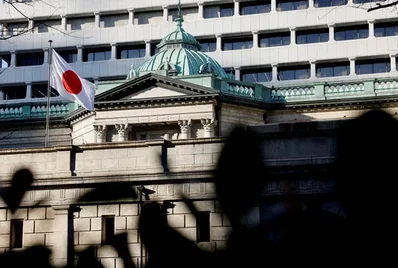
Market attention is currently fixed on the upcoming policy meeting on April 27-28. Although geopolitical tensions involving the United States have introduced volatility and complicated the economic outlook, the IMF believes the central bank has the flexibility to look past temporary spikes in headline figures.
Even if there is a temporary spike in headline inflation, the BOJ can see through that and resume the withdrawal of accommodation at the same pace as if the baseline pans out.
The IMF maintains its projection that inflation will converge to the 2% target by the end of 2027. The organization projects that the central bank will increase its policy rate three more times, reaching 1.5% by the middle or end of next year. Addressing the recent weakness of the yen, Anand emphasized that the exchange rate should be market-determined, adding that the currency's depreciation has helped absorb some pressure from foreign tariffs.
There is no level of exchange rate that anybody can say is right. It has to be determined by markets, because its an open economy with a free-floating exchange (rate).