BOJ Maintains Rates and Warns of Rising Inflation Risks
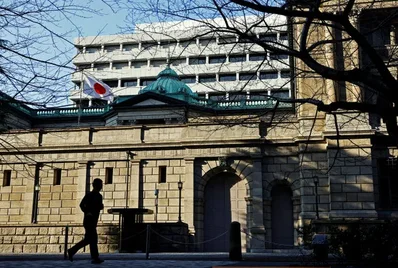
The Bank of Japan kept its policy rate at 0.75 percent today. Governor Ueda warned that rising oil costs and a weak yen could fuel underlying inflation risks.

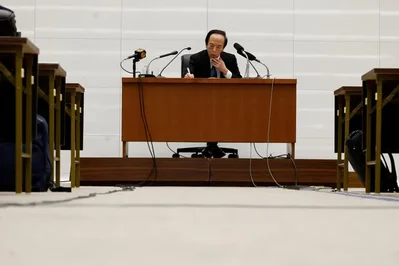
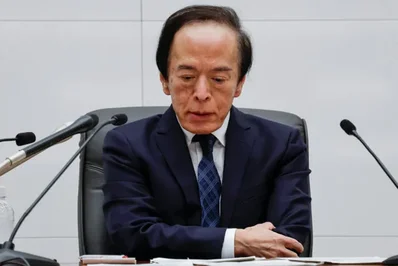
The Bank of Japan opted to keep its short-term interest rate steady at 0.75% following its latest policy meeting. Governor Kazuo Ueda signaled that while the status quo remains for now, the bank is closely monitoring how geopolitical tensions and rising oil prices might influence the economic landscape in Japan. During the session, board member Hajime Takata proposed an increase to 1.0%, though the suggestion did not gain majority support. Addressing market conditions, Ueda noted that the bank is paying close attention to currency volatility and its potential to drive inflation. > "We are obviously watching daily market moves carefully." > "We need to be mindful that currency fluctuations could have a stronger impact on underlying inflation than in the past." The governor indicated that the upcoming quarterly forecast review in April will be a critical juncture for policy assessment. > "The biggest point would be what happens to our baseline scenario when we review our quarterly forecasts in April, as well as the balance of risks." > "If we see risks that we cannot leave unattended, I wont rule out the chance of shifting policy from a risk management perspective." A significant focus remains on the relationship between wage growth and price stability. Ueda emphasized that the results of current wage negotiations will be vital in determining if inflation targets can be met sustainably. > "When looking at the outlook for underlying inflation, we need to scrutinise this years wage negotiations and how much companies may raise prices, so that we know whether wages and prices will continue to rise in tandem." The central bank also plans to provide more detailed data on consumer prices and interest rate estimates to help markets navigate the current period of uncertainty.