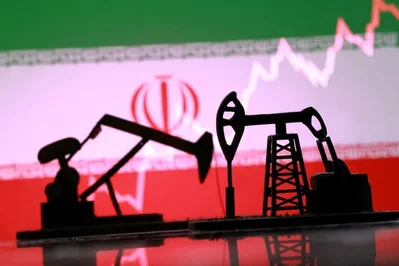
Global Oil Market Loses 50 Billion Dollars in Iran War
The global oil market lost 500 million barrels worth 50 billion dollars during the Iran war. Experts warn that full infrastructure recovery could take years.

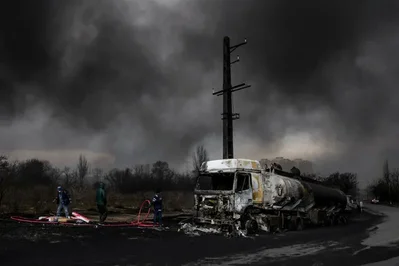
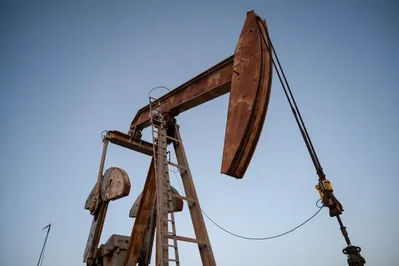
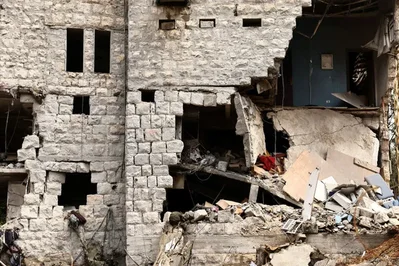
The global energy market has faced a historic disruption, losing more than $50 billion in crude oil production since the conflict in Iran began approximately 50 days ago. Data from Kpler indicates that over 500 million barrels of crude and condensate have been removed from the market, marking the most significant supply shock in modern times. While prices for benchmarks like Brent Crude Oil and West Texas Oil have fluctuated, the sustained absence of these volumes has created an aftershock expected to last for months and potentially years.
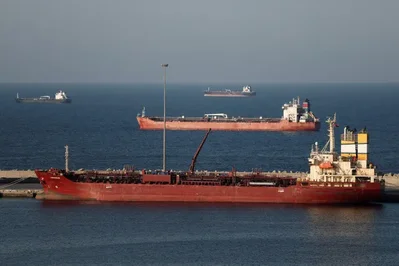
Iranian Foreign Minister Abbas Araqchi recently stated that the Strait of Hormuz is now open following a ceasefire agreement in Lebanon. Meanwhile, the President of the United_States expressed optimism regarding a broader resolution to the crisis, though the specific timing for a final deal remains uncertain.
"The Strait of Hormuz was open following a ceasefire accord agreed in Lebanon."
Iain Mowat, a principal analyst at Wood Mackenzie, highlighted the scale of the loss by noting that 500 million barrels is equivalent to halting global aviation for 10 weeks or stopping all global road travel for 11 days. This volume also represents nearly a month of oil demand for the entire European continent or roughly six years of fuel consumption for the American military.
Production in Gulf Arab nations plummeted in March, with a daily loss of about 8 million barrels. This figure is nearly equal to the combined output of industry giants EXXON MOBIL CORP and CHEVRON CORP. Jet fuel exports from Saudi Arabia, Qatar, United Arab Emirates, Kuwait, Bahrain, and Oman saw a drastic decline, falling from 19.6 million barrels in February to just 4.1 million barrels across March and April combined.
With prices averaging $100 per barrel, Johannes Rauball, a senior crude analyst at Kpler, noted the economic magnitude of the missing volumes.
"Those missing volumes represent roughly $50 billion in lost revenues."
This revenue loss is comparable to a 1% decrease in the annual gross domestic product of Germany. It also exceeds the entire annual GDP of nations such as Latvia or Estonia.
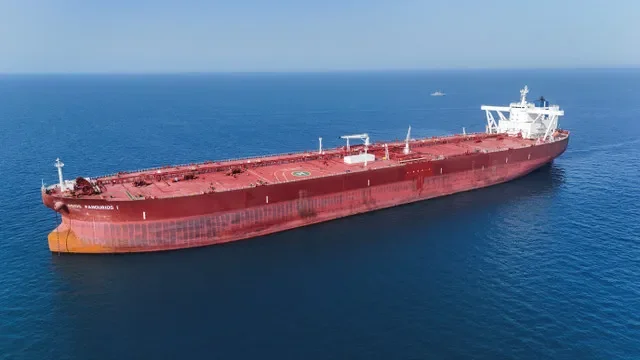
Full restoration of energy infrastructure in the region, including heavy crude fields in Kuwait and Iraq, is expected to be a multi-year process. Analysts warn that damage to refining capacity and specialized facilities, such as the Ras Laffan LNG complex in Qatar, will keep global inventories under pressure through the summer months as production outages remain near 12 million barrels per day.