Airlines raise fares and cut flights as fuel costs rise
Jet fuel prices reached 200 dollars per barrel due to regional conflict. Airlines are raising fares and cutting capacity to manage surging operating costs.

The global aviation sector is grappling with a massive financial disruption as jet fuel prices skyrocket in the wake of the conflict involving the United States, Israel, and Iran. Prices have surged from a range of $85 to $90 per barrel to as high as $200 per barrel in recent weeks. For an industry where fuel represents up to a quarter of all operating expenses, this spike is forcing carriers to raise fares, implement surcharges, and revise their financial outlooks.
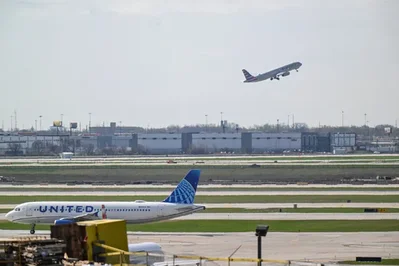
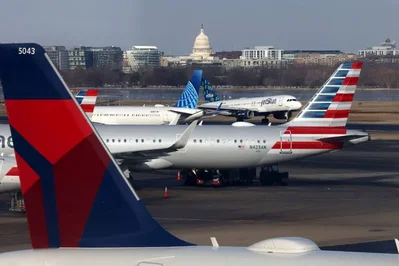
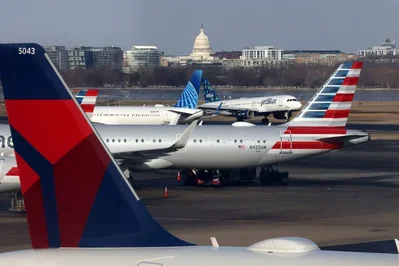
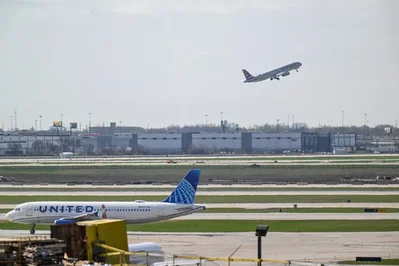
In North America, UNITED AIRLINES HOLDINGS INC is preparing for sustained high oil prices by cutting unprofitable flights and increasing baggage fees for travelers in the U.S., Mexico, and Canada. DELTA AIR LINES INC has also reduced its capacity growth plans and raised checked bag fees, while AMERICAN AIRLINES GROUP INC expects a $400 million increase in quarterly expenses. Other carriers, including ALASKA AIR GROUP INC and its Hawaiian Airlines unit, SOUTHWEST AIRLINES CO, and JETBLUE AIRWAYS CORP, have all implemented higher fees for luggage. FRONTIER GROUP HOLDINGS INC is currently reviewing its full-year forecast due to the significant price increases, while WestJet has added a fuel surcharge and combined flights to manage costs.