Airlines Raise Fares as Fuel Costs Hit $200 per Barrel
Airlines are raising fares and adding surcharges as jet fuel costs surge to $200 per barrel. Many carriers have also cut earnings forecasts or reduced flights.

The global aviation industry is facing significant disruption as jet fuel prices soar following the outbreak of conflict involving the United States, Israel, and Iran. Prices have surged from a baseline of $85 to $90 per barrel to between $150 and $200 per barrel in recent weeks. This sharp increase poses a major financial challenge, as fuel costs typically represent up to 25% of an airline's total operating expenses.
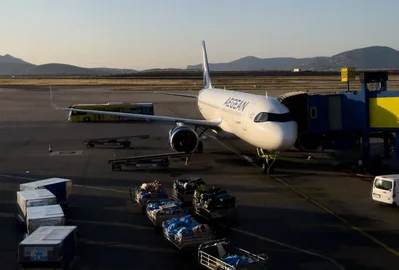
In Greece, AEGEAN AIRLINES expects the combination of suspended flights to the Middle East and rising fuel costs to impact its first-quarter results. Meanwhile, the AIR FRANCE-KLM group has announced plans to raise long-haul ticket prices by 50 euros per round trip to mitigate these costs. Scandinavian carrier SAS has also felt the impact, cancelling 1,000 flights in April due to the price surge, while the British Airways-owner IAG has maintained current pricing for now due to short-term hedging.
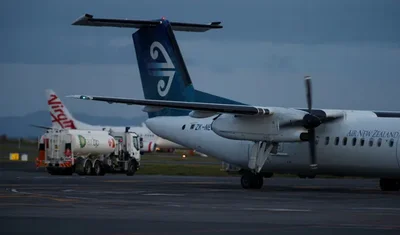
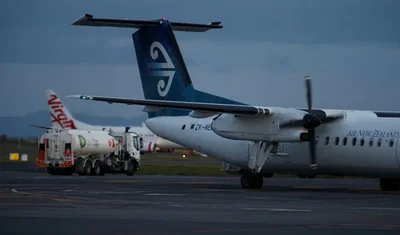
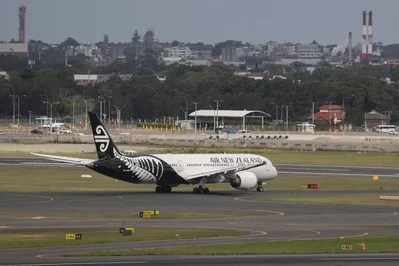
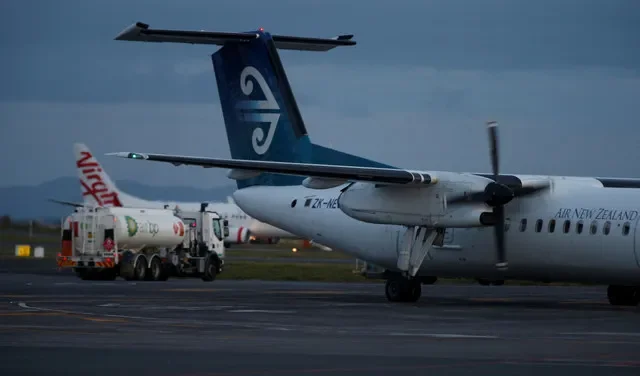
AIR NEW ZEALAND LTD was among the first to react, implementing price hikes across its network in New Zealand and suspending its full-year earnings forecast due to market volatility. The carrier has introduced one-way economy fare increases ranging from NZ$10 on domestic routes to NZ$90 on long-haul services.
In the European low-cost sector, easyJet plc Chief Executive Kenton Jarvis warned of upcoming price pressures for travelers.
European consumers should expect higher ticket prices towards the end of summer, when existing fuel hedges come to an end.
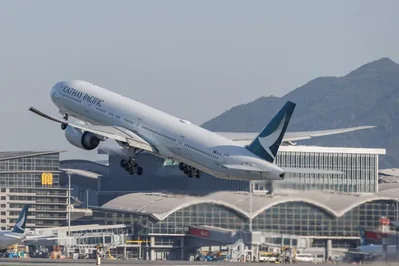
Across the Asia-Pacific region, CATHAY PACIFIC AIRWAYS in Hong Kong is increasing fuel surcharges on all routes starting April 1. Other regional carriers are following suit, with Hong Kong Airlines raising charges by up to 35% for destinations such as the Maldives, Bangladesh, and Nepal. In the Philippines, Cebu Air and Philippine Airlines are reviewing their strategies, with the latter suggesting that fuel rationing could become a possibility if the crisis persists. Greater Bay Airlines has also flagged significant surcharge increases for flights to the Philippines.
In India, InterGlobe Aviation Limited and Akasa Air have introduced new surcharges on both domestic and international flights. Similar measures have been taken in Pakistan, where the national carrier has increased fares by up to $100 for international travel. In Australia, QANTAS AIRWAYS LTD is monitoring the situation closely while adjusting its international capacity. VIRGIN AUSTRALIA HOLDINGS LT also confirmed fare adjustments, citing cost pressures exacerbated by the geopolitical situation in the Middle East.
The impact extends to China, where Spring Airlines is raising domestic surcharges, and Thailand, where Thai Airways plans fare increases of up to 15%. In Vietnam, VIETJET AVIATION JSC has adjusted flight frequencies, and Vietnam Airlines has requested government assistance to remove environmental taxes on fuel as it plans to cancel 23 flights per week.
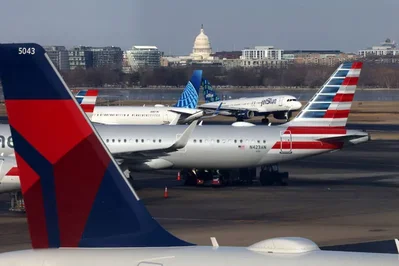
In North America, American Airlines Group Inc. anticipates a $400 million rise in first-quarter expenses. Frontier Group Holdings, Inc. is reviewing its full-year outlook, while United Airlines Holdings, Inc. is preparing for a prolonged period of high oil prices. United's Chief Commercial Officer Andrew Nocella noted the airline's ability to pass on costs.
United has been able to raise fares without materially hurting bookings in response to the rapid increase in oil and jet fuel prices.
Finally, in Turkey, SunExpress—a joint venture between Turkish Airlines and Lufthansa—will introduce a temporary surcharge of 10 euros for flights to Europe beginning in May.