
Geely Launches i-HEV Hybrid System to Rival Japanese Models
Geely launched its i-HEV hybrid system today to challenge Japanese rivals. The AI platform achieved record fuel efficiency of 2.22 liters per 100 kilometers.

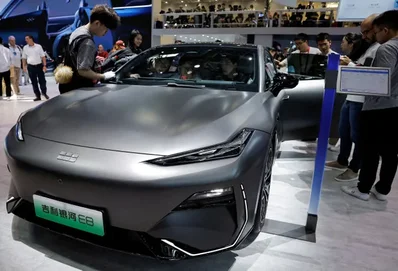
GEELY AUTOMOBILE HOLDINGS LT has launched its i-HEV Intelligent Hybrid system, aiming to challenge the market dominance of automakers from Japan by improving fuel efficiency and integrating advanced intelligence. The system, debuted in China, features an AI-driven energy management platform that analyzes environmental factors such as temperature and altitude to optimize performance. During a highway test, a Geely Emgrand equipped with the i-HEV technology recorded fuel consumption of 2.22 liters per 100 kilometers, setting a new Guinness World Record. Built on Geely’s proprietary vehicle architecture, the system provides significant onboard computing power to enable smart driving features that the company asserts are currently unmatched by Japanese hybrid models. The technology is scheduled for rollout this year across several models, including the Preface, Monjaro, Starray, and Emgrand. Yale Zhang, managing director at Automotive Foresight in Shanghai, described the launch as a turning point for the automotive industry. > With more powerful motors, enhanced electric-drive capabilities, lower fuel consumption and advanced intelligence, this amounts to a full-scale challenge to the dominance of Japanese full-hybrid vehicles in both domestic and international markets, threatening one of the most profitable segments for Japanese manufacturers. Since the introduction of the Prius in 1997 by TOYOTA MOTOR CORP, Japanese manufacturers have maintained a firm grip on the global hybrid market, particularly in areas with developing power grids. While the Chinese government has focused on plug-in hybrids that prioritize electric motors, Geely’s new system targets the conventional hybrid segment. In 2025, Geely Group ranked ninth globally with 4.11 million vehicles sold, while Toyota maintained its lead with 11.3 million units.