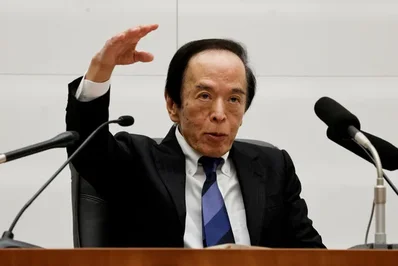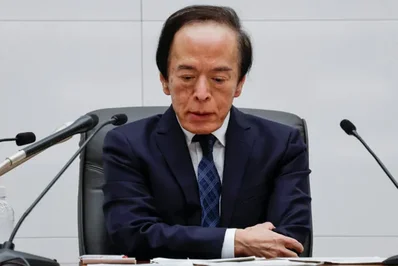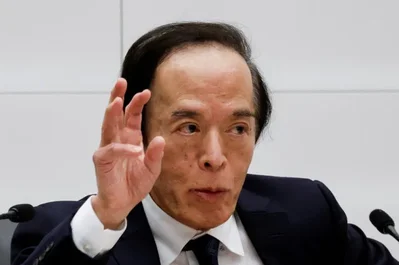

BOJ likely to raise interest rates by July says Adachi
Former BOJ member Seiji Adachi says the bank will likely raise rates by July. He notes that the Middle East war is driving up oil costs and inflation risks.

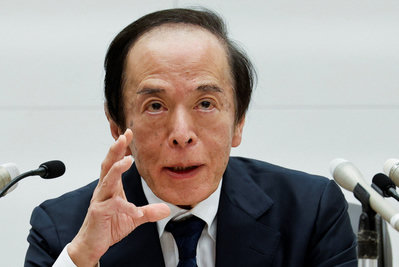
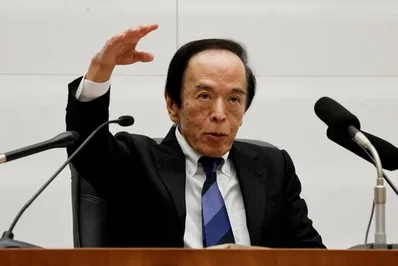
The Bank of Japan is likely to implement an interest rate hike by July as escalating energy costs linked to the Middle East conflict increase the risk of the central bank lagging behind mounting inflationary pressures. Former board member Seiji Adachi stated that underlying inflation in Japan has effectively reached the 2% target, citing recent surveys that show corporate inflation expectations rising to 2.5%.
Rising costs linked to the conflict involving Iran and subsequent supply disruptions provide further justification for the central bank to adjust its short-term policy rate from the current 0.75%. Adachi noted that the risk of the bank falling behind the curve has increased due to these external shocks, suggesting that the rate should be moved toward a neutral level of 1.25% as soon as possible.
With the Middle East conflict, the risk of the BOJ falling behind the curve in dealing with inflation has heightened somewhat.
Market volatility has increased following disruptions to global energy flows through the Strait of Hormuz, which has driven up the price of Brent Crude Oil and strengthened the dollar against the yen, impacting the USD/JPY exchange rate. While recent hawkish communication from the bank has led markets to price in a significant chance of a rate hike in April, Adachi described the decision as a tough call given the unclear economic impact of the war.
Its better for the BOJ to raise rates to levels deemed neutral to the economy as soon as possible.
Internal politics may further complicate the central bank's path. The appointment of reflationist members to the board by Prime Minister Sanae Takaichi suggests the administration may oppose near-term hikes that could increase corporate borrowing costs. Adachi indicated that the central bank will likely target two rate hikes within the year, though a protracted oil shock could force a more aggressive tightening schedule to ensure real borrowing costs do not remain negative.
Depending on how the conflict unfolds, the BOJ will face a very tough decision, sandwiched between rising inflation and low growth.