EU Postpones Permanent Ban on Russian Oil Imports
The European Commission delayed a proposal to legally ban Russian oil imports by 2027 due to global supply issues. Officials say the plan remains active.

The European Union has postponed the submission of a legal proposal to permanently ban oil imports from Russia. Originally scheduled for April 15, the delay comes amid shifting geopolitical tensions and energy market volatility. An EU official noted that while the plan remains active, current developments have necessitated a change in the timeline.
The global energy landscape is facing extreme pressure due to the conflict involving the United States and Israel against Iran. This situation has resulted in what the International Energy Agency describes as the most significant oil supply disruption in history, causing the price of Brent Crude Oil to climb sharply.
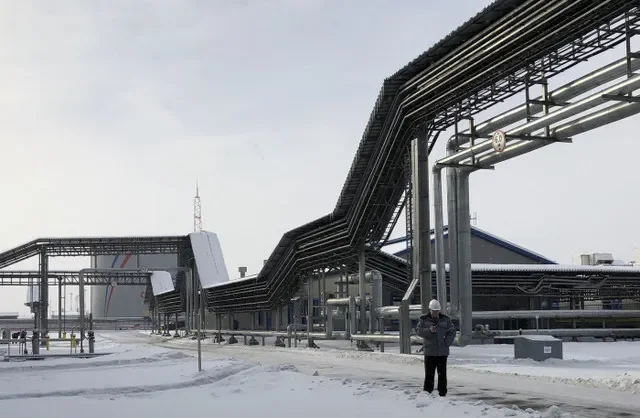
The proposed legislation is designed to mandate a complete phase-out of Russian oil by the end of 2027. This would align with existing laws that already require a transition away from Russian gas. Brussels intends for this ban to be permanent, ensuring that even if sanctions are lifted following a potential peace deal in Ukraine, the return to Russian oil would be legally prohibited.
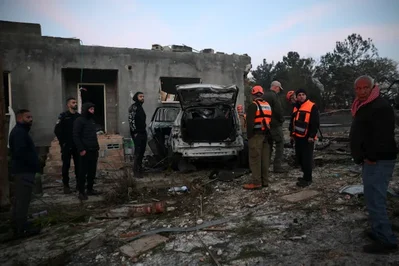
While the bloc has already reduced Russian oil imports to just 1% by the end of 2025, some dependencies remain. Hungary and Slovakia are currently the only member states still receiving supplies via pipeline. This reliance has led to political friction, particularly after a drone strike on pipeline infrastructure disrupted flows in late January. Kyiv has been accused by Budapest and Bratislava of delaying the restoration of these shipments, prompting Hungary to retaliate by blocking financial aid to the Ukrainian government.
The postponement of the April 15 deadline also places the proposal after the upcoming parliamentary elections in Hungary. Prime Minister Viktor Orban has remained a vocal critic of energy sanctions, maintaining closer ties with Moscow than most other European leaders.
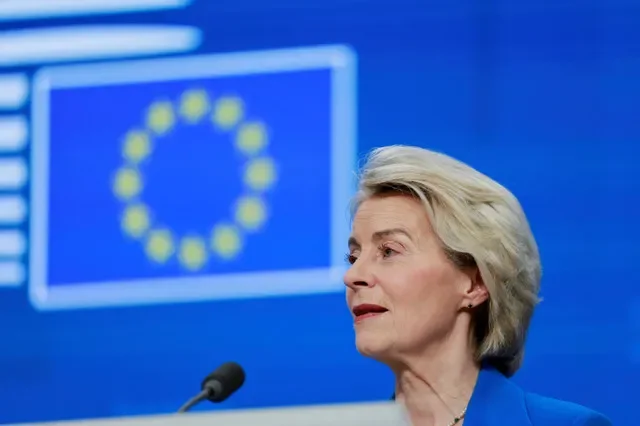
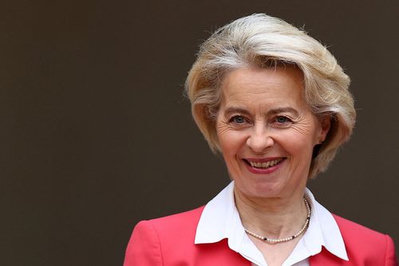
European Commission President Ursula von der Leyen has reiterated the strategic necessity of the move.
"Returning to Russian energy would be a strategic blunder and make Europe more vulnerable."