Stable Prices for Real Trees
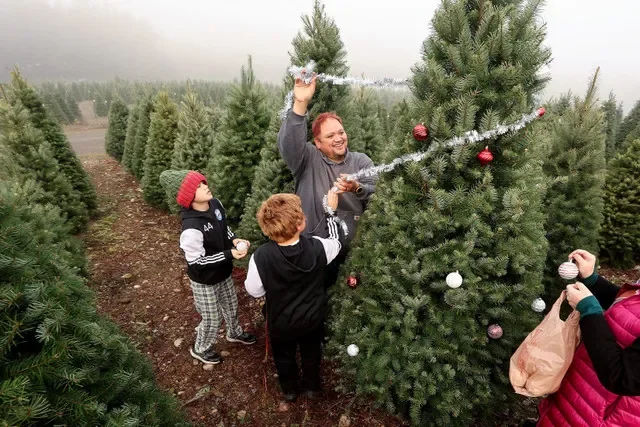
Real Christmas trees are offering a surprise this year with relatively stable prices. High diesel prices and rising input costs are putting pressure on growers, but they are largely absorbing those increases rather than passing them on, according to Marsha Gray, executive director of the Real Christmas Tree Board.
Most trees destined for American living rooms were planted more than a decade ago. Strong supply from harvests is helping keep prices in check, Gray said.
Among wholesale growers surveyed by the board, 91% said they did not plan to raise prices for the 2026 season, up from 84% in 2025. Individual retailers set their own overhead and retail prices, however, meaning costs at local lots can still vary.
Tariffs and Artificial Trees
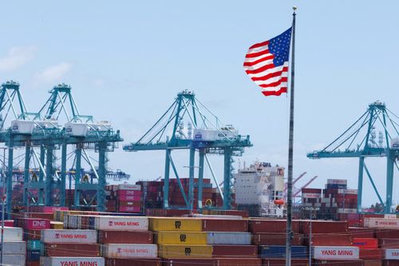
Artificial trees face different pressures, as most are manufactured in China and remain subject to tariffs. However, policy changes lowered the effective tariff rate to between 10% and 12.5% this year compared to roughly 20% last year, according to Mac Harman, founder and CEO of Balsam Hill.
Balsam Hill's prices are lower this year than in 2025 on average despite paying millions in tariffs and higher fuel costs. Harman said prices could rise in 2027 if broad inflation makes raw materials more expensive or if new tariffs are imposed.
Decor and Small Business Margins
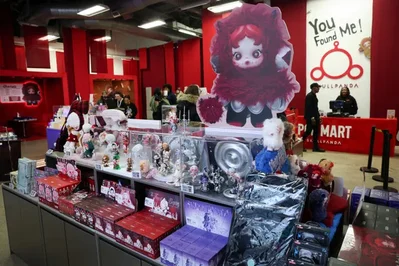
Ornaments, garlands, and decorations remain impacted by tariffs, shipping costs, and supply chain inflation. For small retailers operating on thin margins, absorbing those costs presents a difficult choice.
About 38% of small-business representatives in a September survey by INTUIT INC QuickBooks planned to raise prices this year, while 43% remained hesitant to do so. Shoppers may find attractive deals around Black Friday as businesses look to clear holiday inventory.
Holiday Dining Resilience
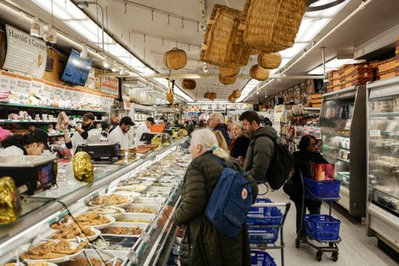
Holiday dinner is one area where shoppers are maintaining spending. In a survey by TRANSUNION, 73% of U.S. adults expect to spend the same amount or more on holiday meals at home this season compared to 2025.
A Thanksgiving dinner for 10 including dessert will cost 0.4% less than in 2025, per an analysis by WELLS FARGO & CO Agri-Food Institute. Grocery prices overall rose 0.4% from September to October, according to the Labor Department.
Retailers will release November retail sales data on December 11.