BYD Debuts Faster Charging Battery to Reclaim China Market
BYD launched a battery that charges to 97% in 12 minutes to combat falling sales. The upgrade targets a 1,000 km range for premium models by the end of 2026.

BYD Company Limited has unveiled its first major battery advancement in six years as it seeks to regain momentum in the competitive market of China. The second-generation Blade Battery, introduced by Chairman Wang Chuanfu in Shenzhen, features rapid-charging capabilities that allow a charge from 20% to 97% in under 12 minutes, even in temperatures as low as minus 20 degrees Celsius. This new hardware supports a driving range of 777 km for standard models.
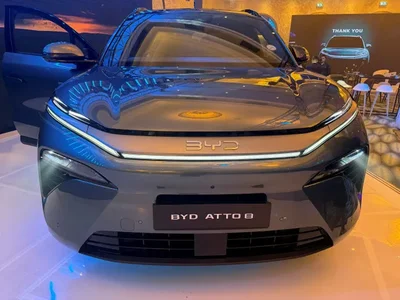
The higher-density battery is designed to power premium vehicles like the Denza Z9GT and the luxury Yangwang U7, potentially pushing their range beyond 1,000 km. According to the company, the units have passed safety tests that exceed current national standards. To complement the hardware, there is a plan to establish a Flash Charging network of 20,000 stations by the end of 2026, a significant increase from the 4,000 stations recorded as of early March.
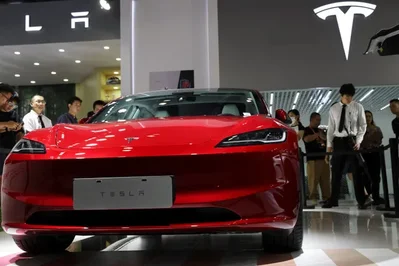
This strategic shift comes as Beijing encourages a move toward a value-driven automotive sector, steering manufacturers away from the aggressive price wars that dominated previous years. To remain competitive against rivals like Tesla, Inc., the company has introduced seven-year low-interest financing and longer-range plug-in hybrids. However, the company faces stiff competition as GEELY AUTOMOBILE HOLDINGS LT overtook it in sales volume during the first two months of the year. Additionally, legacy manufacturers such as Volkswagen AG have seen a resurgence in popularity following the end of certain EV tax exemptions.
Regarding the performance of the new technology, Wang Chuanfu noted:
"The higher-density batteries can push BYDs premium Denza Z9GT and luxury Yangwang U7 models beyond a 1,000 km driving range."
While the company has previously experimented with affordable assisted-driving features and five-minute charging systems, these innovations have yet to fully offset the recent slump in domestic sales volume.