Tighter Inspections Disrupt Brazil Soybean Flows to China
Brazil has tightened soybean inspections for China following reports of contamination. The move has slowed shipments and raised costs for major global traders.

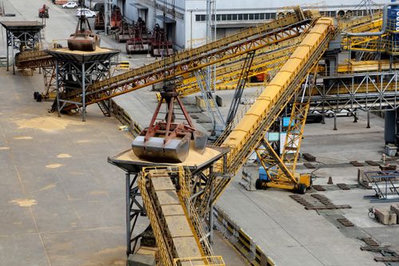
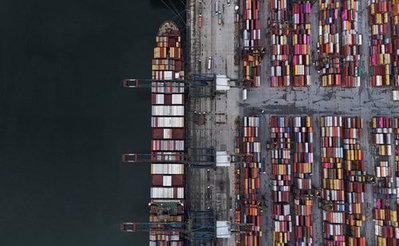
Tighter phytosanitary checks are currently disrupting shipments of Soybeans from Brazil to China, creating a potential supply squeeze for the world's largest importer. The Ministry of Agriculture in the South American nation has ramped up inspections following repeated reports from Beijing regarding the presence of live insects, heat damage, and beans coated with chemical agents such as pesticides or fungicides. Importers are now required to verify that shipments are free of these issues before they depart, as they face the risk of being blocked upon arrival. This increased scrutiny comes during the peak export season for the South American supplier, potentially slowing the pace of arrivals throughout March and April. > If inspections are tightened and clearance times lengthen on both ends, it could slow the pace of arrivals in March-April. This assessment was provided by Cheang Kang Wei, vice president at StoneX Group Inc. in Singapore. He noted that while the market remains well-stocked due to record purchases last year, the current disruption could create a temporary sales window for the United States. American suppliers recently resumed sales to the Chinese market following a trade agreement in late October. The logistics of the trade have also become more expensive. Longer waiting times for certification at ports have driven up demurrage costs, while freight rates have been pressured by geopolitical tensions involving Iran. Data indicates that freight rates for Panamax vessels traveling from the Port of Santos to major northern Chinese ports increased by approximately 24% in March. Market offers for Brazilian supplies have become scarce as a result of these regulatory and logistical hurdles, leading some major trading firms to pause exports temporarily. Prices for April shipments were quoted significantly higher this week compared to late February. Although soymeal prices on the Dalian exchange reached their highest levels since July 2024, some analysts believe the impact will be short-lived. > Brazil is unlikely to let the export flow to China hit a snag at this peak point in the shipping season. Arlan Suderman, chief commodities economist at StoneX, suggested that the flow of goods is likely to stabilize given the importance of the trade relationship during this high-volume period.