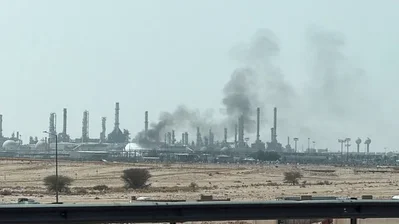

Conflict in Middle East Disrupts Global Energy Flows
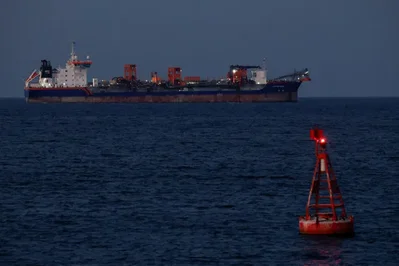
Strikes on Gulf energy sites have cut oil exports by 60%. Shipping through the Strait of Hormuz has stalled as global fuel prices reach record highs today.

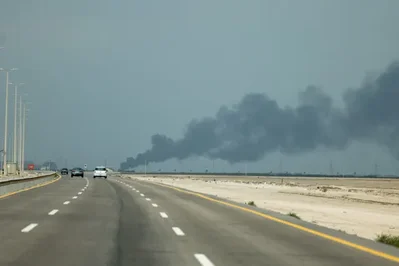
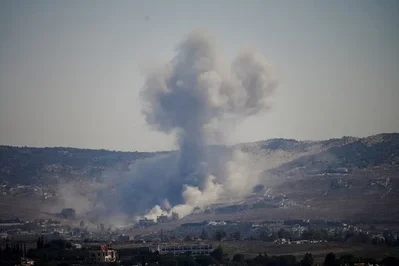
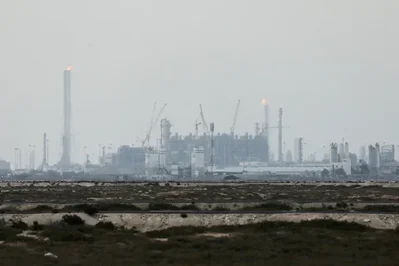
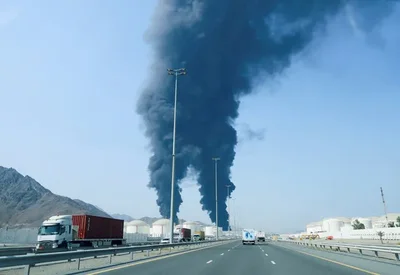
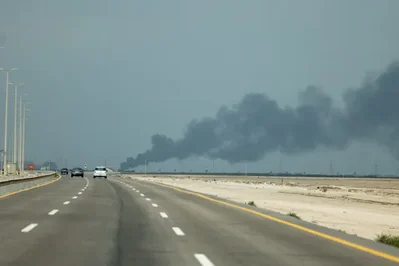
The escalating conflict involving the United States and Israel against Iran has severely crippled energy infrastructure across the Middle East. The Strait of Hormuz, which facilitates approximately 20% of the world's oil and liquefied natural gas flows, has seen shipping traffic grind to a near-halt. Regional tensions reached a new peak on Wednesday following an Israeli strike on the South Pars gas field, prompting retaliatory strikes from Tehran against energy facilities throughout the Gulf.
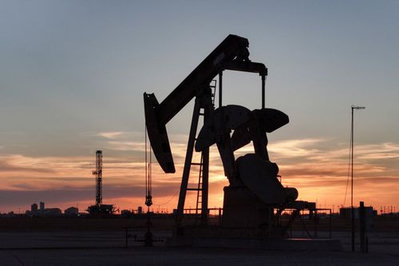
In Iraq, the second-largest producer in OPEC, oil output from southern fields has been slashed by 70%, falling to 1.3 million barrels per day. While Baghdad has reached an agreement to resume crude exports from the northern Kirkuk fields via pipeline to Turkey, the broader regional impact remains severe. A senior Iraqi official told Reuters: > Iran halted natural gas flows to Iraq after diverting supply for domestic use.