
Iran War Disrupts Shipping and Challenges Gulf Food Security
Conflict in Iran disrupts shipping through the Strait of Hormuz and threatens Gulf food security. Experts warn of price spikes as imports face major delays.

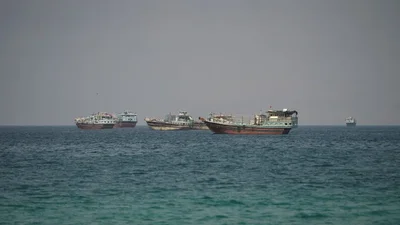
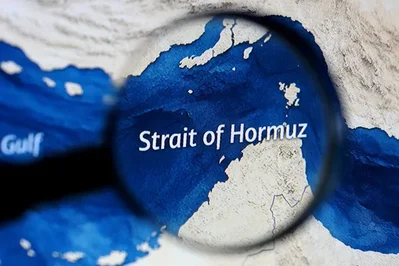
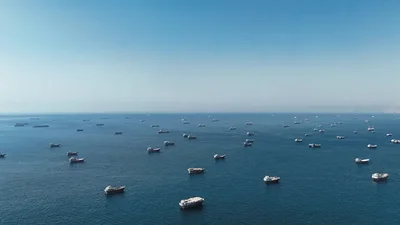
Wealthy Gulf states are currently navigating their most significant food security challenge since the 2008 global crisis, as the ongoing conflict involving Iran threatens vital shipping lanes and disrupts the flow of goods through the Strait of Hormuz. This escalation is a critical test for the regional strategies implemented after the global food crisis nearly two decades ago, when soaring prices forced a shift toward import-heavy policies supported by significant agricultural investments abroad. Previously, nations in the region attempted to boost domestic production of essential grains, but these efforts were largely abandoned due to the harsh climate and acute water scarcity. For instance, Saudi Arabia began phasing out its domestic wheat cultivation program in 2008, choosing instead to rely almost entirely on international markets. Today, with 80% to 90% of the region's food being imported, the closure of airspace and maritime routes is raising fears of scarcity and price volatility.
"With over 70% of GCC foodstuffs being imported through the Strait of Hormuz, Gulf states face shortages if the war persists," said Neil Quilliam, an associate fellow at Chatham House.