Asia Turns to Fuel Swaps as Middle East Supplies Tighten
Asian nations seek fuel swap deals to manage shortages from Middle East instability. Some countries declare emergencies while others turn to Russian energy.

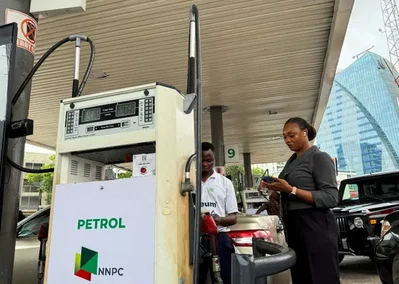
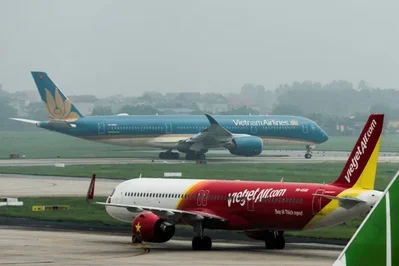
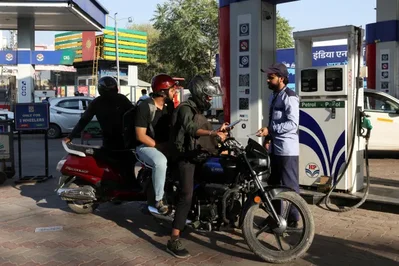
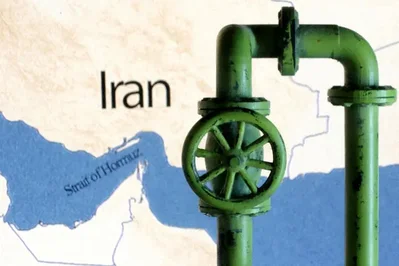
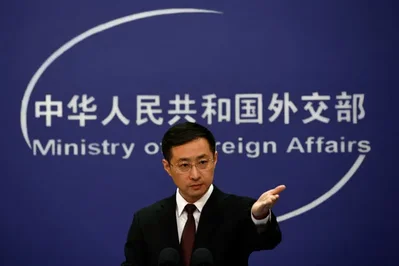
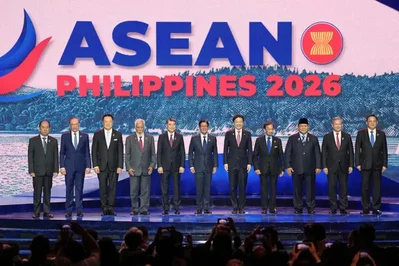
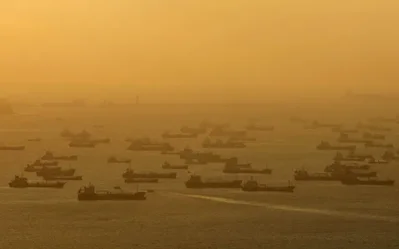
Asian nations have entered a flurry of fuel bartering negotiations to mitigate severe energy shortages triggered by escalating conflict in the Middle East. This week, the leader of Indonesia visited Japan as part of a regional scramble for alternative supplies, as traditional energy routes face unprecedented disruption. The urgency has intensified following fuel export bans from China, while nations like South Korea and Thailand explore temporary relief through Russian energy imports. The energy crisis has reached a critical point for several developing economies. The Philippines recently became the first regional nation to declare a national energy emergency, while Sri Lanka has reduced its work week to four days to conserve fuel. In Myanmar, authorities have restricted car usage to alternate days, and Indonesia is expected to announce similar consumption curbs in the coming days. During his visit to Tokyo, Indonesian President Prabowo Subianto emphasized the necessity of maintaining stable economic ties amid global volatility. > To maintain rational economic relationships is of vital importance. Prabowo noted that the geopolitical instability in the Middle East has introduced significant strategic uncertainty regarding energy security. Jakarta is reportedly considering a deal to provide liquefied natural gas to Tokyo in exchange for liquefied petroleum gas, a critical domestic cooking fuel. Beyond government-level talks, Japanese energy firms are seeking similar arrangements. Inpex Corporation is reportedly in discussions with India for a barter deal involving LPG, naphtha, and crude oil. Meanwhile, Vietnam has requested Japanese assistance for energy supplies, and the Philippines confirmed receiving diesel shipments from Tokyo earlier this week. The situation is further complicated by China's decision to ban refined fuel exports, including jet fuel, to protect its domestic economy. This move, mirrored by Thailand, has severely impacted Vietnam, which relies on these neighbors for over 60% of its aviation fuel. Consequently, Vietnamese regulators are looking toward Brunei, India, and South Korea for relief. Australia, a major energy exporter, is also engaging in high-level talks with Singapore and South Korea regarding jet fuel supplies. Foreign Minister Penny Wong confirmed ongoing engagement with major regional suppliers to prevent local shortages. In an unexpected shift, Russia has emerged as a potential stopgap supplier. Following a temporary sanctions waiver from the United States, South Korea recently imported Russian naphtha for its plastics industry. India has also increased its Russian oil purchases, while Bangladesh, Thailand, and Sri Lanka are in various stages of negotiation with Moscow. Smaller nations like New Zealand are feeling particularly vulnerable. Prime Minister Christopher Luxon has held discussions with leaders in Singapore, Malaysia, and South Korea to secure refined products. New Zealand's Associate Energy Minister Shane Jones warned that the country must build options now to avoid being overlooked in the global race for fuel. > Unless you build options, we’re too small to get noticed in a maddening, frenzied search for fuel in another two or three months.