Airlines Cut Capacity and Raise Fares as Fuel Costs Rise
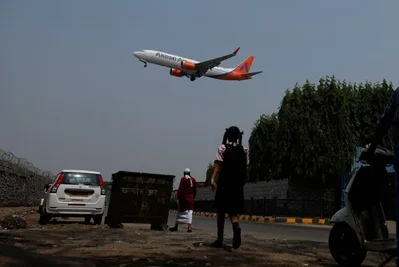
Global carriers are raising ticket prices and reducing flights to manage a doubling in fuel costs. This shift threatens industry profits as demand weakens.

Global aviation firms are implementing ticket price increases and trimming flight schedules to manage a sharp rise in oil costs. The industry's path to profitability now hinges on whether travelers will reduce spending as rising fuel expenses impact household finances. Prior to the escalation of tensions between the United States, Israel, and Iran, the sector had anticipated record profits of $41 billion for 2026. However, a doubling of jet fuel prices has jeopardized these projections, forcing management to re-evaluate global networks.
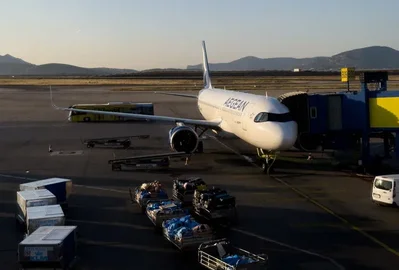
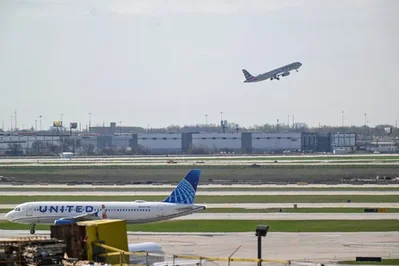
Major carriers including United Airlines Holdings, Inc., AIR NEW ZEALAND LTD, and Scandinavia’s SAS have already signaled capacity reductions and fare adjustments. Rigas Doganis, the former head of the national carrier of Greece and past director of the United Kingdom's easyJet plc, described the situation as a perfect storm.
"They will need to cut fares to stimulate weakening demand while higher fuel costs will be pushing them to increase fares."
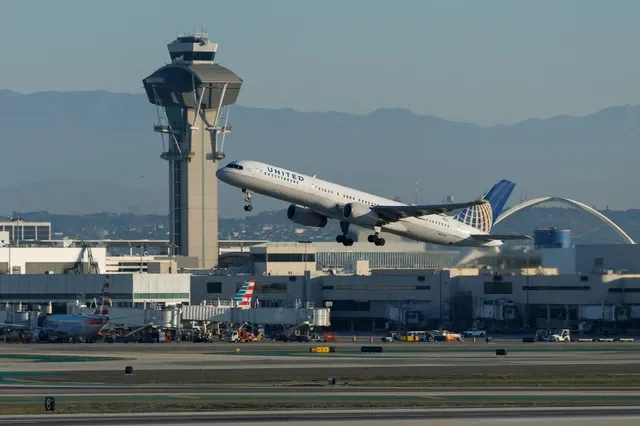
Last year, global passenger traffic reached record levels, climbing approximately 9% above pre-pandemic benchmarks despite supply chain constraints. This high demand gave airlines significant pricing power. However, the magnitude of fare increases required to offset current fuel prices comes as consumers face higher costs for gasoline, potentially limiting discretionary travel. Andrew Lobbenberg, head of European transport equity research at Barclays PLC, suggested that trimming capacity is the standard industry response to such crises.
"The only way to get prices up is to reduce capacity."
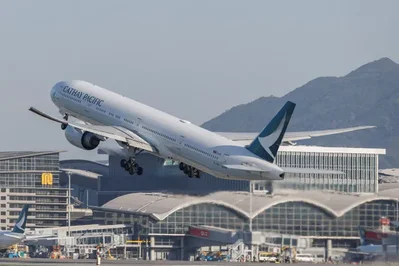
United Airlines CEO Scott Kirby recently indicated that fares might need to rise by as much as 20% to cover the increased fuel burden. In Hong Kong, CATHAY PACIFIC AIRWAYS has raised its fuel surcharges twice in a single month. For travelers flying between Australia and London, surcharges have reached significant levels, adding hundreds of dollars to the cost of a standard economy return trip.
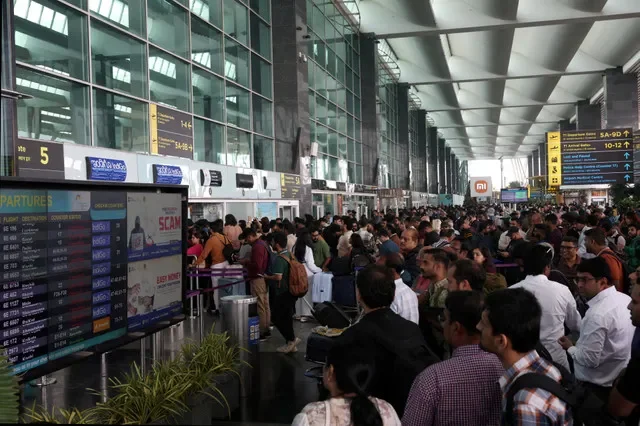
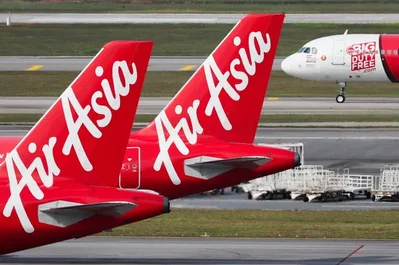
Low-cost carriers may face the steepest challenges, as their customer base is typically more sensitive to price changes than the corporate or premium travelers targeted by Delta Air Lines, Inc.. Nathan Gee, head of Asia-Pacific transport research at Bank of America Corporation, noted that price-sensitive travelers might opt for rail or bus alternatives for shorter trips.
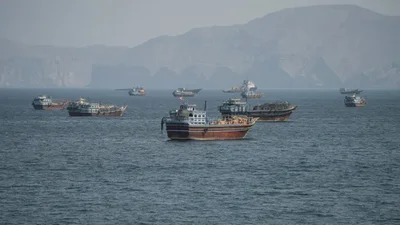
The current Middle East instability represents the fourth major oil shock for the industry this century, following the 2007-2008 financial crisis, the 2011 Arab Spring, and the 2022 conflict between Russia and Ukraine. In Vietnam, carriers have expressed specific concerns regarding physical fuel supplies due to regional maritime closures.
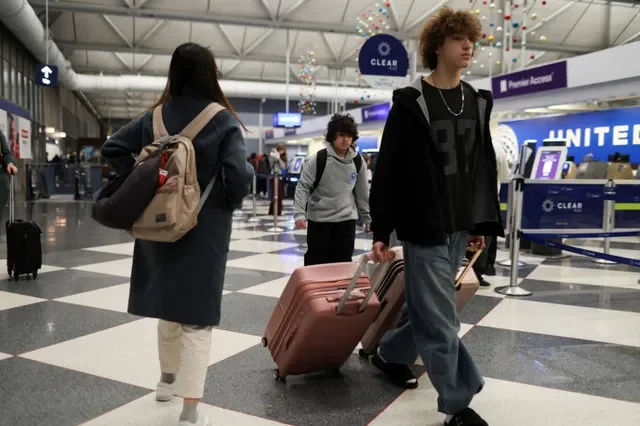
While the era of consolidation in the United States helped major airlines manage capacity, and low-cost giants like Ryanair Holdings plc and India's IndiGo utilized efficient single-aircraft fleets, the current supply chain crisis has delayed the delivery of newer, more fuel-efficient planes. Dan Taylor, head of consulting at aviation firm IBA, expects the current shock to widen the divide between financially stable airlines and those with limited funding options.
"Carriers with robust balance sheets, strong pricing power, and reliable access to capital are better positioned to absorb ongoing pressures."