Georgieva noted that growth alone is insufficient to address US debt burdens. The IMF's Fiscal Monitor report stressed that delaying consolidation will compound risks.
Shifting Models in Beijing
China must pivot from export-led manufacturing toward domestic consumption, Georgieva said during the annual meetings in Bangkok. Surplus economies need to increase local spending while deficit nations boost savings.
The calls coincide with data showing Beijing on track to post a record trade surplus. Global partners have increasingly pushed back against non-market policies driving excess industrial capacity.
European Debt and Policy Paths
France must resolve its fiscal consolidation independently to soothe investor anxieties, ECB President Christine Lagarde said. Lagarde dismissed expectations of direct central bank intervention in domestic bond markets.
Meanwhile, the IMF praised the United Kingdom for its steady consolidation steps, advising London to maintain its current trajectory. OECD Secretary-General Mathias Cormann highlighted that public debt-to-GDP ratios across almost all G20 members sit well above 2007 levels.
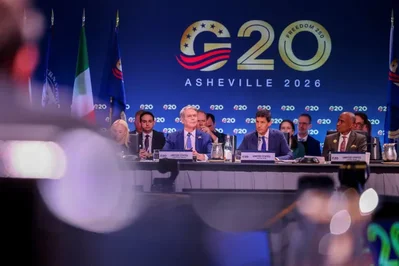
G20 finance ministers meet on Thursday in Bangkok to address structural deficits, AI-driven economic divergence, and emergency funding for vulnerable nations facing debt service costs that have climbed to 14% of revenue.