Williams says Middle East war is raising inflation risks
Williams warns that Middle East conflict is raising energy prices and inflation. The Fed remains ready to respond as supply chain disruptions hit consumers.

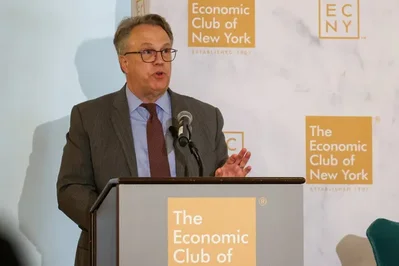
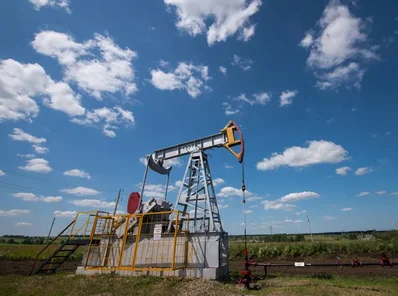
President John Williams of the Federal Reserve Bank of New York cautioned on Thursday that the ongoing conflict in the Middle East is exerting upward pressure on inflation. Speaking at the Federal Home Loan Bank of New York 2026 Member Symposium, Williams noted that the central bank remains prepared to adjust its strategy based on economic developments. The geopolitical instability has led to significant volatility in energy markets, affecting benchmarks such as Brent Crude Oil and West Texas Oil. Williams highlighted that these rising costs are already beginning to filter through to the broader economy, impacting consumer prices for goods and services. > “Developments in the Middle East are driving significant increases in energy prices, which are already lifting overall inflation.” If the conflict persists, Williams warned of a potential supply shock that could simultaneously drive up inflation through higher commodity prices while slowing down economic activity. This situation is further complicated by existing economic conditions in the United States, where import tax policies have already contributed to elevated price levels. The involvement of Israel in the regional conflict remains a focal point for market analysts monitoring supply chain stability. Signs of disruption are becoming more evident in sectors ranging from agriculture to transportation. Williams observed that higher fuel expenses are being passed on to consumers in the form of increased airfares and higher prices for groceries and fertilizer. Despite these challenges, he reaffirmed his commitment to returning inflation to the central bank's long-term target. The Federal Reserve currently maintains an interest rate target between 3.5% and 3.75%. While the central bank is in a wait-and-see mode, Williams suggested that current policy is well-positioned to manage risks related to employment and price stability. > “Fed interest rate policy is well positioned to balance the risks to our maximum employment and price stability goals.” Looking ahead, Williams projected that inflation will likely range between 2.75% and 3% for the current year before eventually receding to 2% by 2027. He also anticipated an unemployment rate between 4.25% and 4.5%, with economic growth expected to settle between 2% and 2.5%.