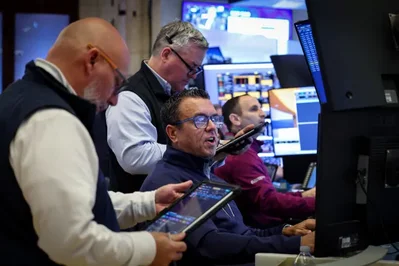
Wall Street Drops as Iran Conflict Pushes Oil Prices Higher
Wall Street opened lower on Thursday as the Iran conflict lifted oil prices and bond yields. While Asian markets rebounded, the IMF warned of economic risks.

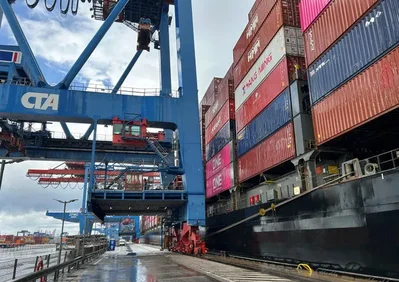
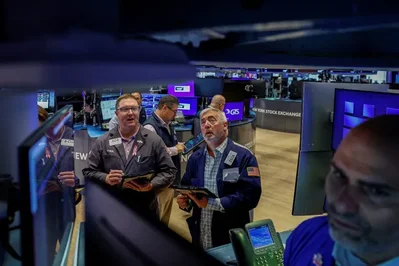
Wall Street experienced an early decline on Thursday as the escalating conflict involving Iran drove up energy prices and the dollar, triggering a sell-off in global bond markets. The geopolitical instability followed missile strikes against Israel and intensified military operations in Tehran. These events unfolded after Republican Senators in the United States blocked a bipartisan effort to halt the American air assault. Energy supply concerns remained a primary market driver. Brent Crude Oil climbed toward $85 per barrel, with prices rising more than 15% since the start of the weekend’s air strikes. Ship-tracking data revealed that approximately 300 oil tankers are currently stalled in the Strait of Hormuz, as traffic through the critical chokepoint has nearly halted. U.S. Energy Secretary Chris Wright characterized the energy market impact as a small price for achieving military goals, though International Monetary Fund head Kristalina Georgieva warned the crisis is testing global economic resilience. > "The main barometers here are the crude oil price the spike in bond yields and the dollar." Saxo Bank analyst John Hardy added that markets are not yet prepared for a prolonged conflict. In Asia, markets reacted with high volatility. South Korea saw its KOSPI index jump nearly 10%, recovering from its worst-ever daily drop after President Lee Jae Myung ordered the activation of a $68 billion market stabilization fund. Japan saw the Nikkei rise by 2%, while shares in China rose 1% after Beijing set an economic growth target of 4.5% to 5% for the year. The currency and bond sectors also felt the impact. The EUR/USD pair dipped to $1.1600, and the USD/JPY exchange rate saw the yen move to 157.20 per dollar. In fixed income, the yield on benchmark 10-year U.S. Treasury notes rose to 4.14%. Markets in Germany also faced pressure, with the bund market heading for its steepest weekly sell-off in a year as traders began pricing in a higher probability of an ECB rate hike by December. > "What is quite notable is that the oil prices haven't come down." Royal London Asset Management’s Trevor Greetham noted doubts regarding U.S. promises to provide insurance for tankers. Central bank officials are now under scrutiny for their response to the crisis. Bundesbank chief Joachim Nagel warned that a long-term war would drive up inflation and damage growth. Investors are looking toward upcoming remarks from European Central Bank President Christine Lagarde for further policy direction. Commerzbank strategist Erik Liem noted that these developments would likely influence the ECB's economic projections in March.