
US Stock Futures Decline Amid Middle East Tensions
Wall Street futures fell Thursday as Middle East tensions persisted. Investors weighed conflicting signals on diplomacy while the OECD warned of inflation.

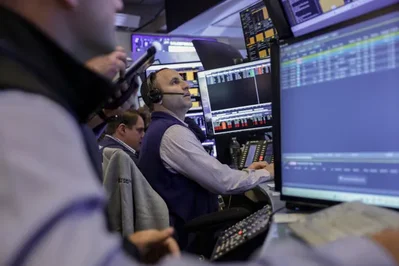
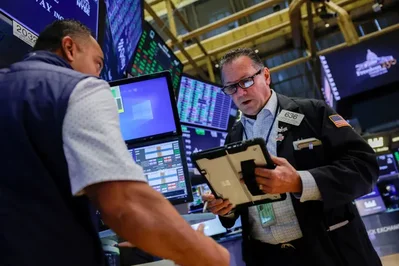
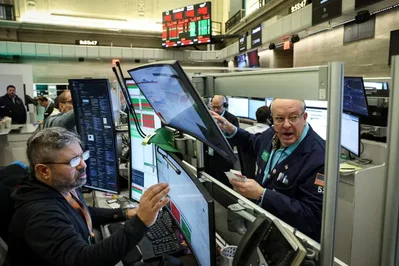
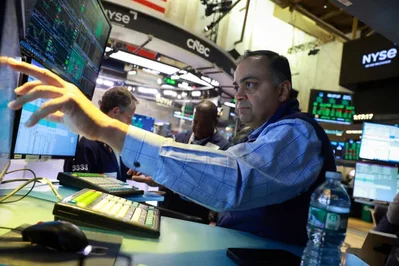
Wall Street index futures trended lower on Thursday as persistent geopolitical instability in the Middle East dampened investor appetite for risk. This cautious sentiment follows a brief rally in the previous session, with market participants closely monitoring potential de-escalation efforts between the United States and Iran. As of 6:45 a.m. ET, Dow E-minis dropped 325 points, or 0.7%, while S&P 500 E-minis declined 48.75 points, or 0.73%. Nasdaq 100 E-minis saw the steepest decline, falling 206 points, or 0.85%. The market reaction reflects conflicting signals from leadership; while U.S. President Donald Trump suggested Tehran was eager for a resolution, the Iranian foreign minister stated there was no current intention to hold talks, despite reviewing a proposal delivered via Pakistan. > The relative calm in markets suggests some investor confidence that hostilities may eventually wind down, however slim that prospect remains. Molly Schwartz, a cross-asset macro strategist at Rabobank, noted that the uncertainty surrounding the Strait of Hormuz remains a primary concern for global trade. Daniela Hathorn, senior market analyst at Capital.com, further elaborated on the current market state: > Markets appear to have reached an impasse, with investors caught between two competing narratives ... this has created a fragile equilibrium across asset classes, where positioning reflects caution rather than conviction. The OECD has warned that the ongoing conflict has already impacted global economic growth, noting that a full closure of the Strait of Hormuz could trigger a sharp rise in inflation. This environment has complicated the outlook for monetary policy. According to the CME Group’s FedWatch Tool, money market participants are no longer pricing in interest rate cuts from the Federal Reserve this year, a significant shift from the two cuts anticipated before the conflict escalated. In corporate developments, Olaplex Holdings, Inc. saw its shares surge by 50% in premarket trading. The jump followed an announcement that the hair-care company would be acquired for $1.4 billion by the consumer goods giant Henkel AG & Co. KGaA, based in Germany. In contrast, the mining sector faced downward pressure as bullion prices fell by more than 1%. Newmont Corporation saw its shares slip by 3.1%, while other industry players like Sibanye Stillwater and Harmony Gold recorded losses of 4.4% and 4% respectively. Additionally, Jefferies Financial experienced a marginal decline after reporting a first-quarter profit miss linked to losses on loans to collapsed firms.