
Vietnam Proposes Extending EV Tax Cuts Through 2030
Vietnam plans to extend EV tax cuts until 2030 to boost sales and cut emissions. The move follows a sharp rise in adoption since the incentives began in 2022.

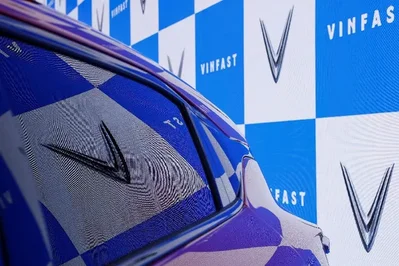
Vietnam is moving to extend its special consumption tax incentives for electric vehicles (EVs) through the end of 2030, according to a statement from the parliament office. The government plans to submit a proposal to parliament to prolong the current tax breaks by nearly four years in an effort to maintain the momentum of EV adoption and meet national climate targets. Under the existing framework established in March 2022, the special consumption tax on electric vehicles was reduced to a range of 1% to 3%, down significantly from the previous levels of 4% to 11%. While these incentives were originally scheduled to expire in February 2027, the government seeks to maintain the momentum that has already transformed the local automotive landscape. The impact of the tax policy has been substantial, with annual EV sales in the country surging from approximately 7,000 units in 2022 to nearly 175,000 units last year. This growth has been particularly beneficial for domestic manufacturers such as VINFAST AUTO LTD, which has expanded its production and infrastructure to meet the rising demand for cleaner alternatives to internal combustion engines. Beyond market growth, the initiative is a cornerstone of the national strategy to achieve net-zero carbon emissions by 2050. Official data suggests that each electric vehicle contributes to a reduction of 0.85 metric tons of carbon dioxide emissions per year compared to traditional fossil-fuel-powered cars. > Continuing to apply tax incentives for electric vehicles could generate a range of positive impacts, helping accelerate the shift toward cleaner-energy transport, reduce emissions and improve air quality, particularly in major cities. The finance ministry report emphasized that the extension would provide long-term certainty for both consumers and investors, reinforcing the transition toward a more sustainable urban environment.